About Art in Manufacturing

It is the evolving connection between three anchors – industry, art and place – that inform Art in Manufacturing.

Conceived in 2016, Art in Manufacturing is based on three guiding principles – to develop a creative dialogue between the National Festival of Making as an arts organisation and the industrial workforce operating in Lancashire; to create a unique platform for emerging and established artists to make new, original and ambitious work; and to present a celebratory programme of commissions for Festival audiences and project participants to experience, reflective of Blackburn and Lancashire’s place-based making narrative. 

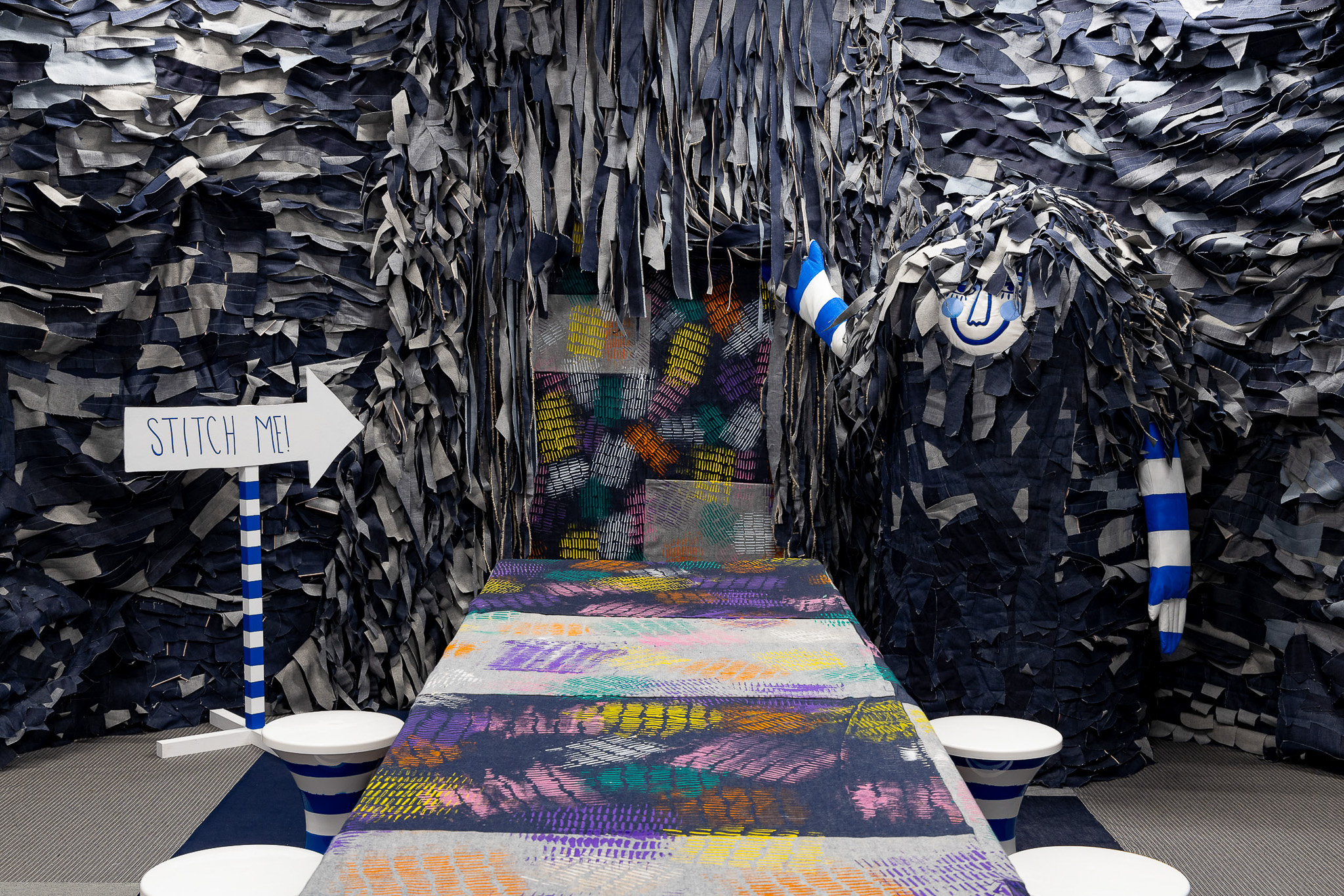
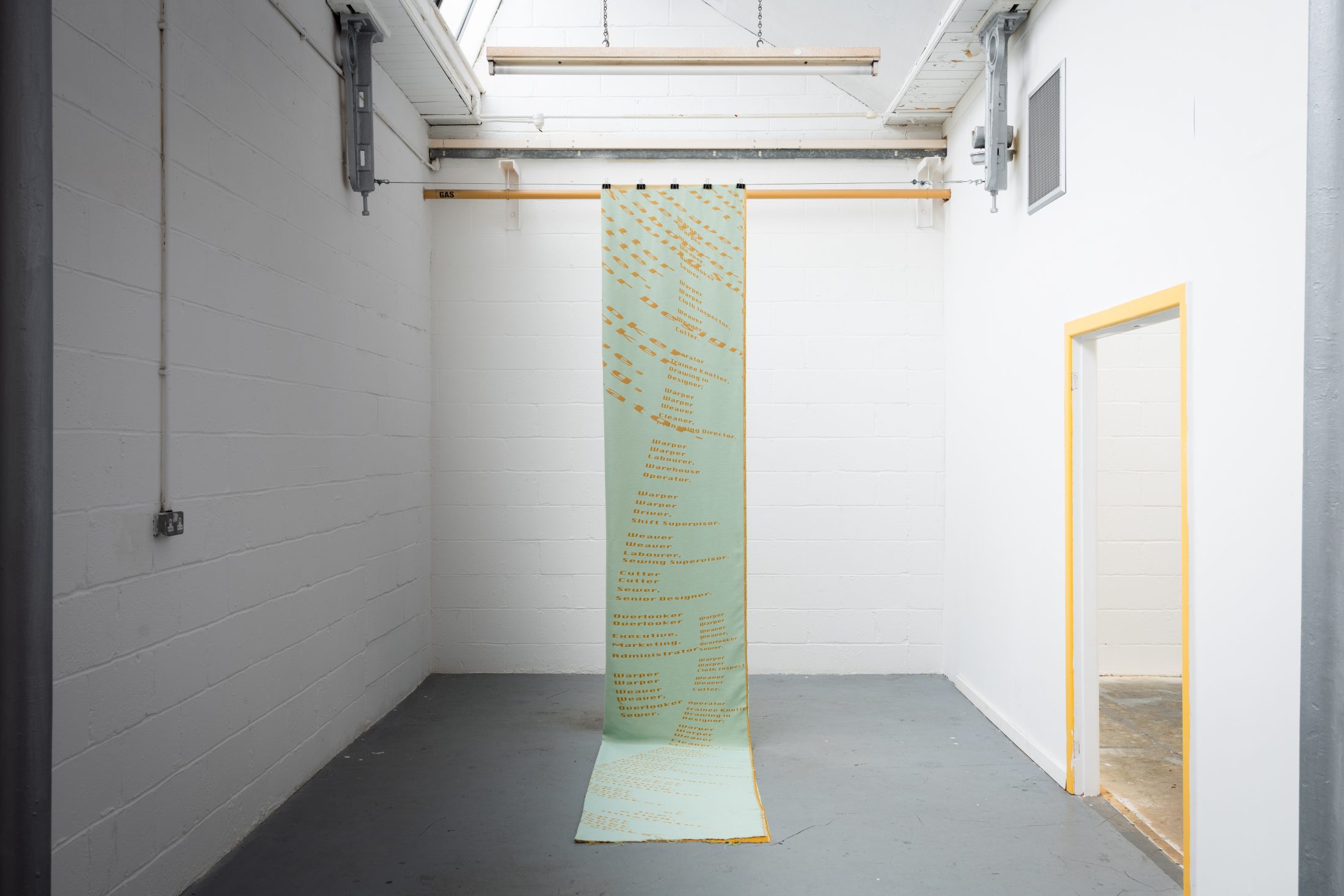
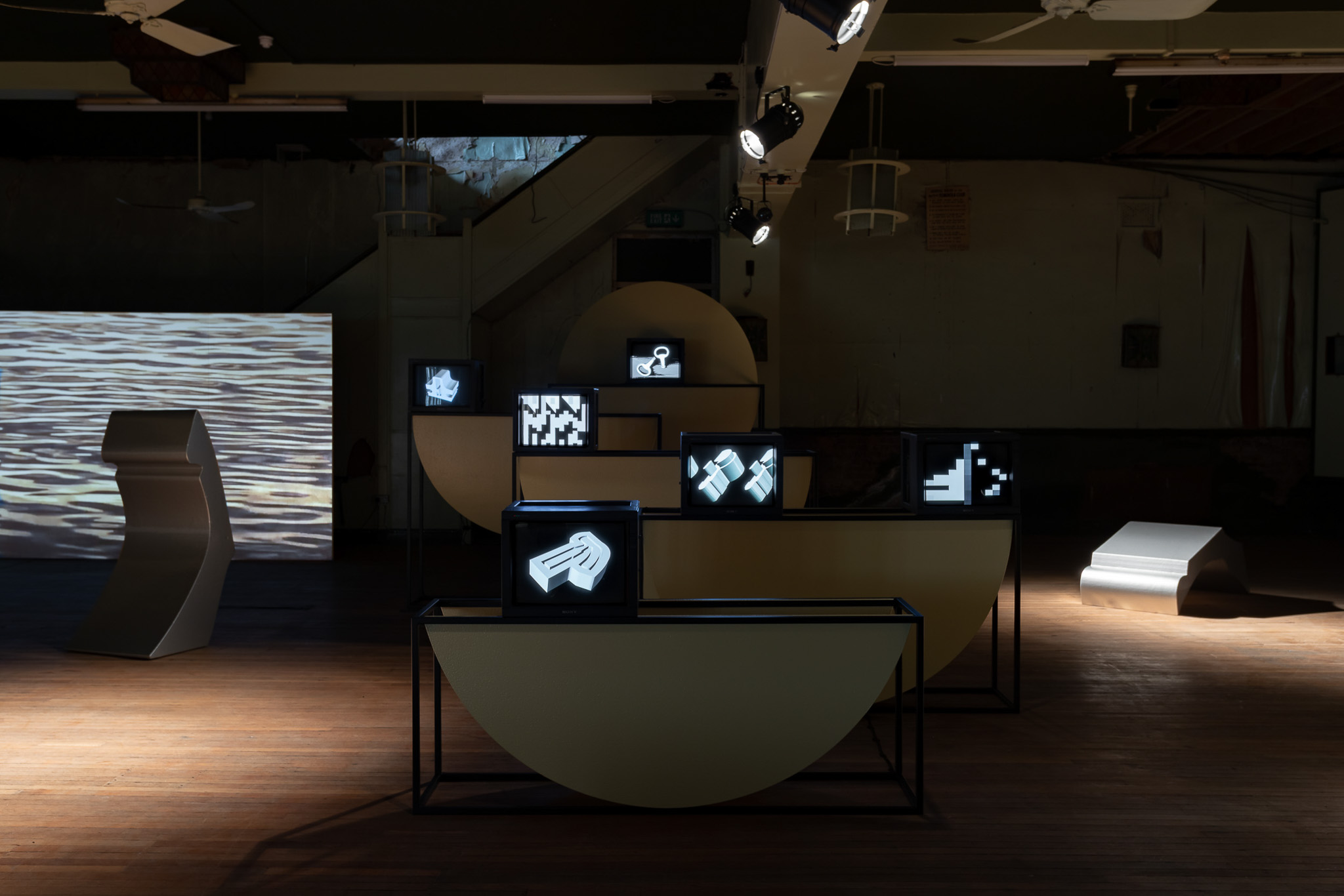
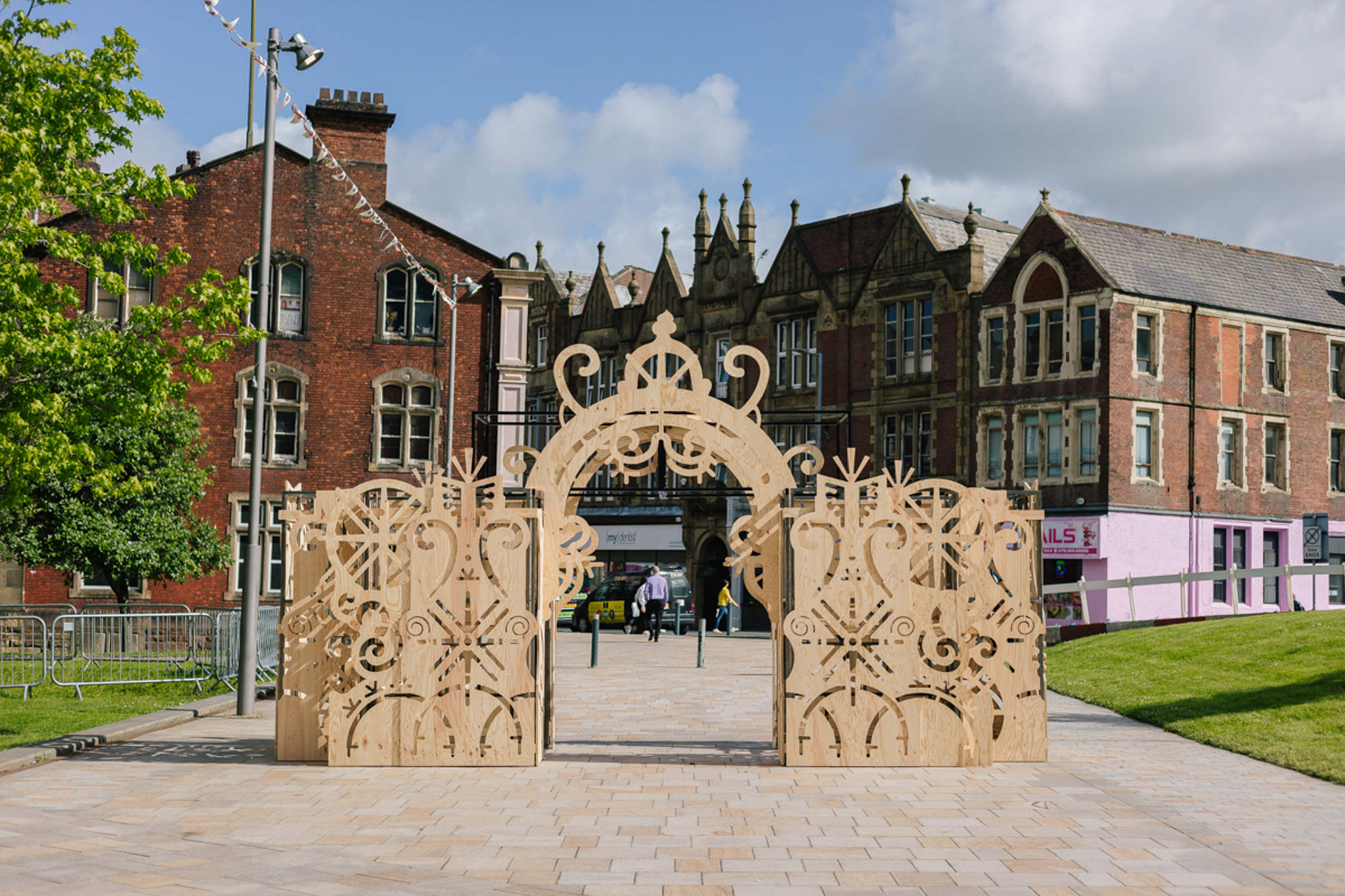
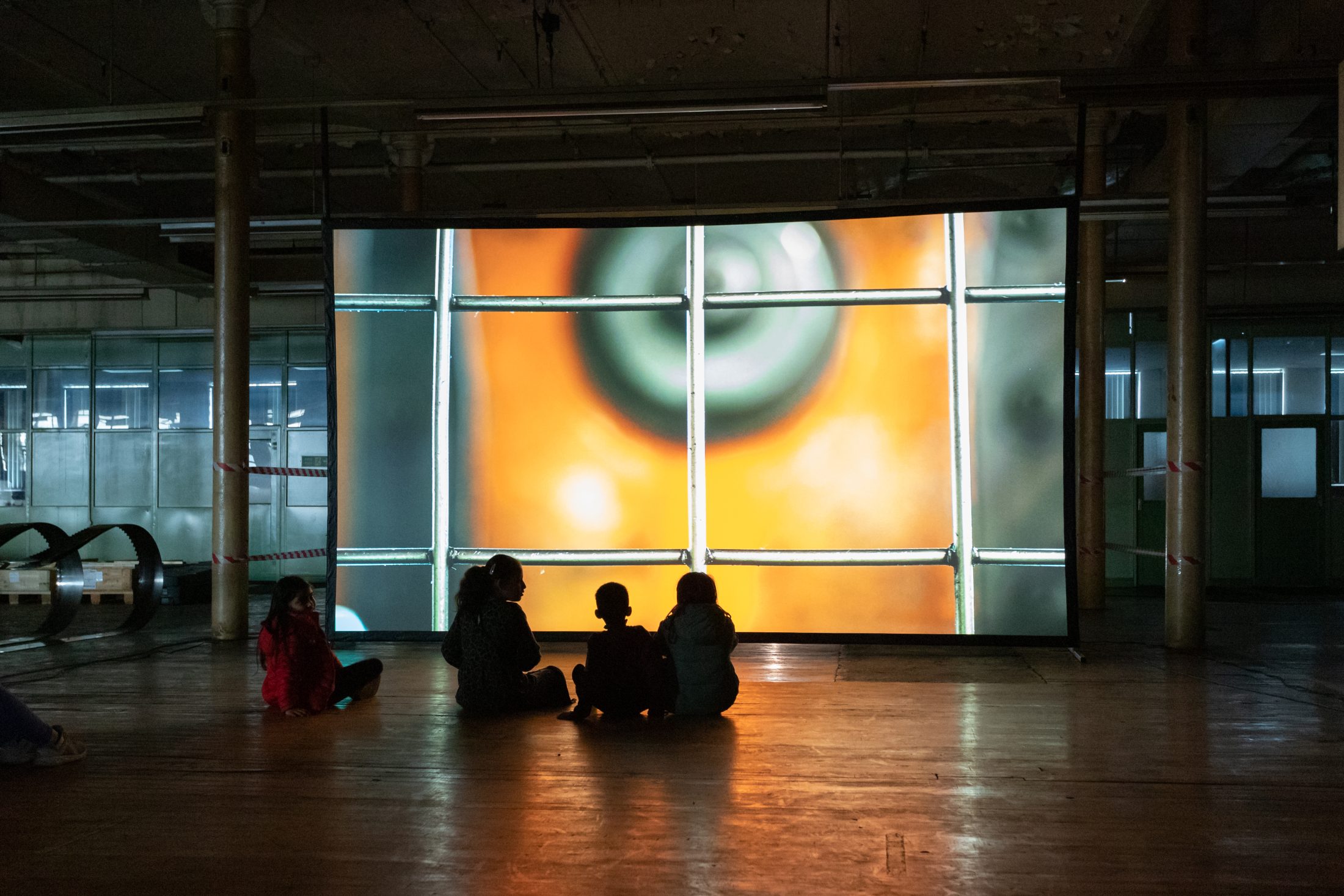
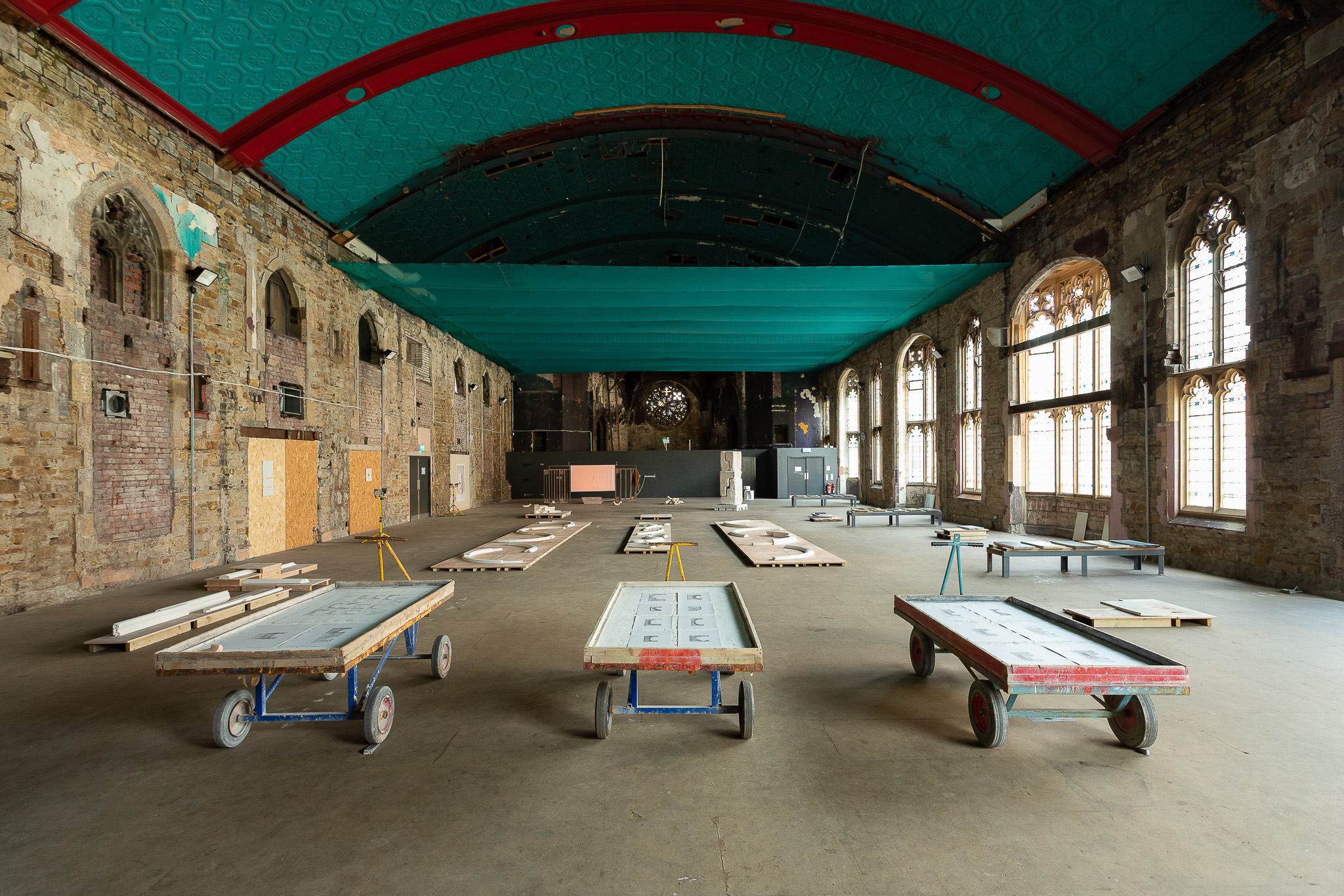
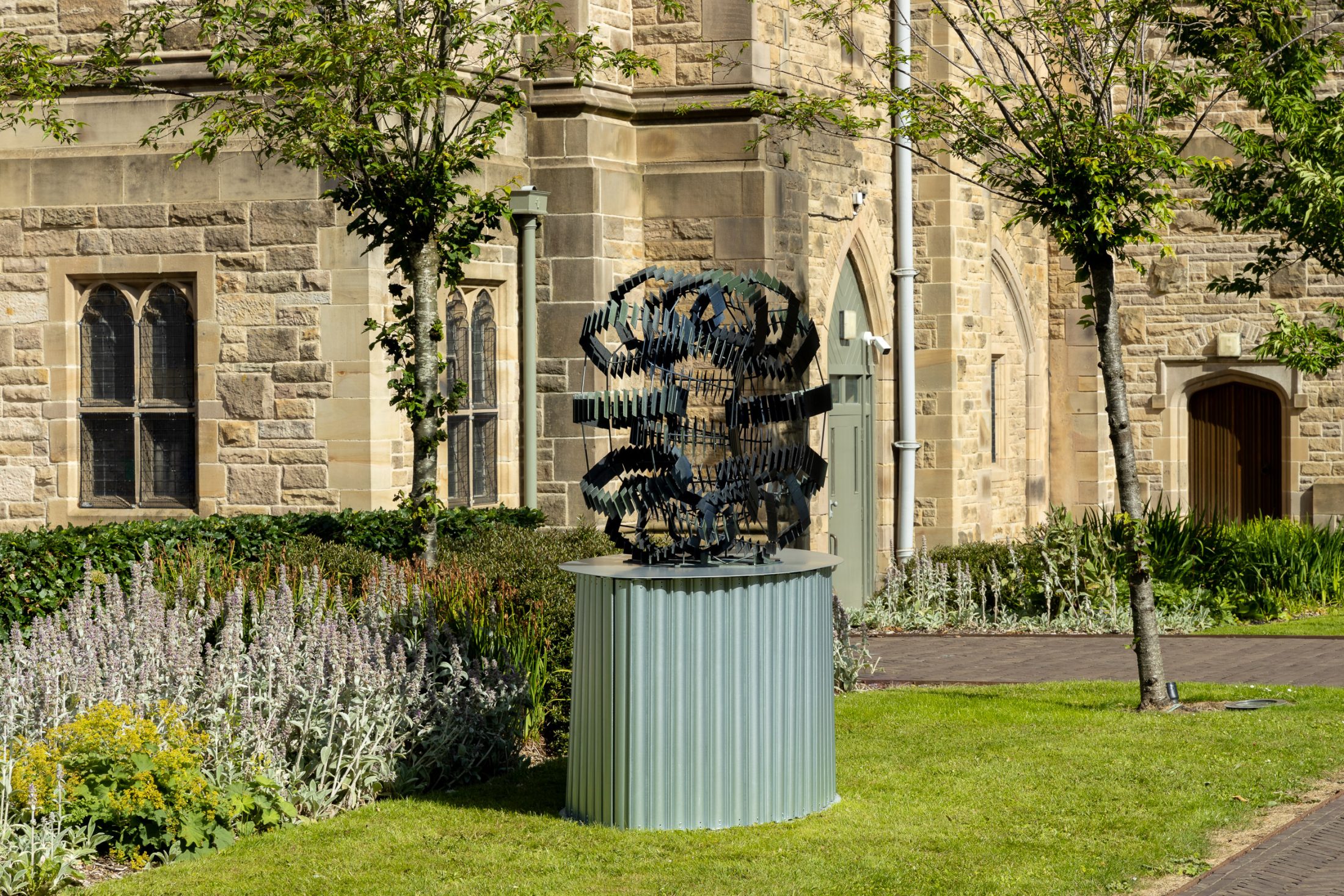
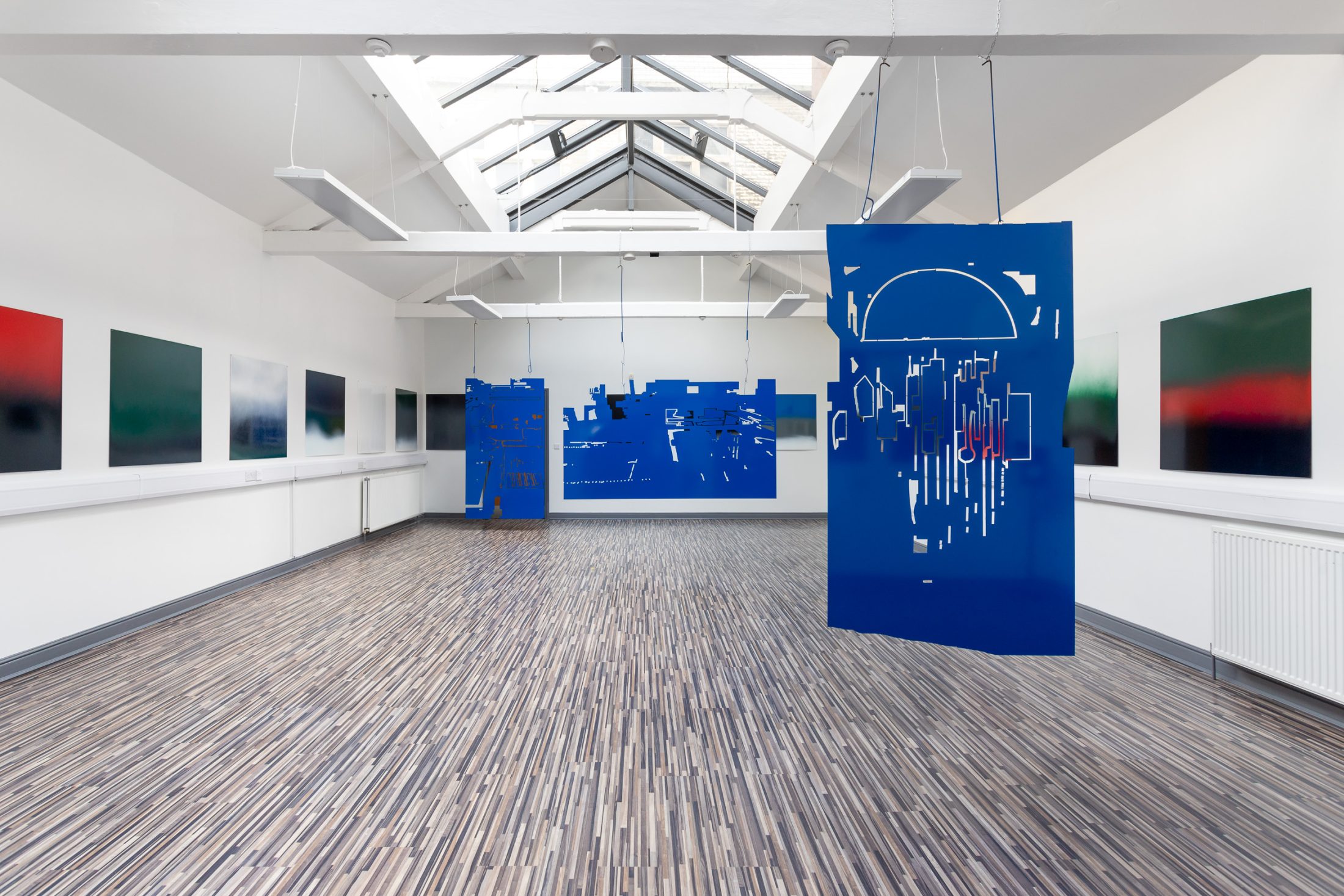
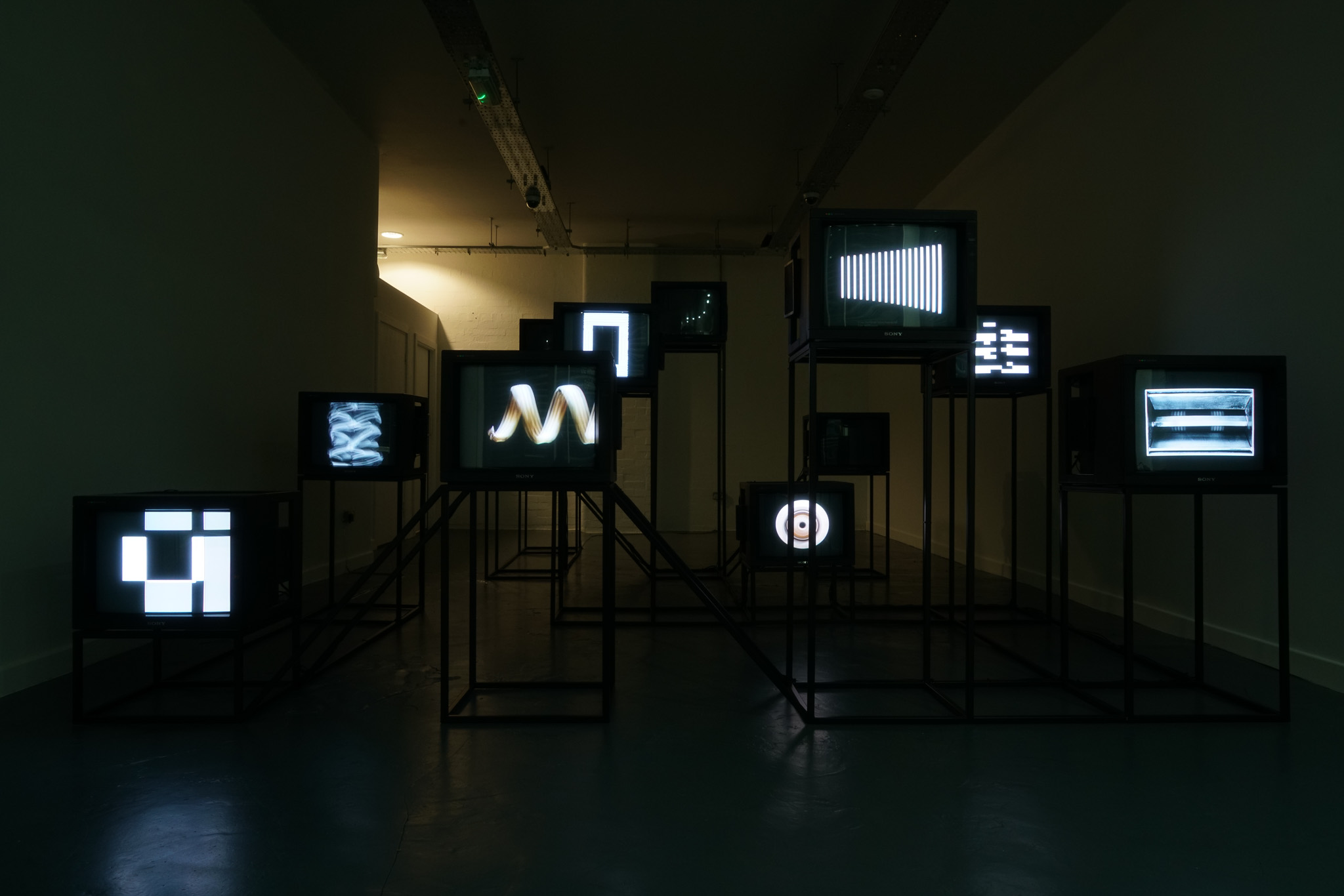
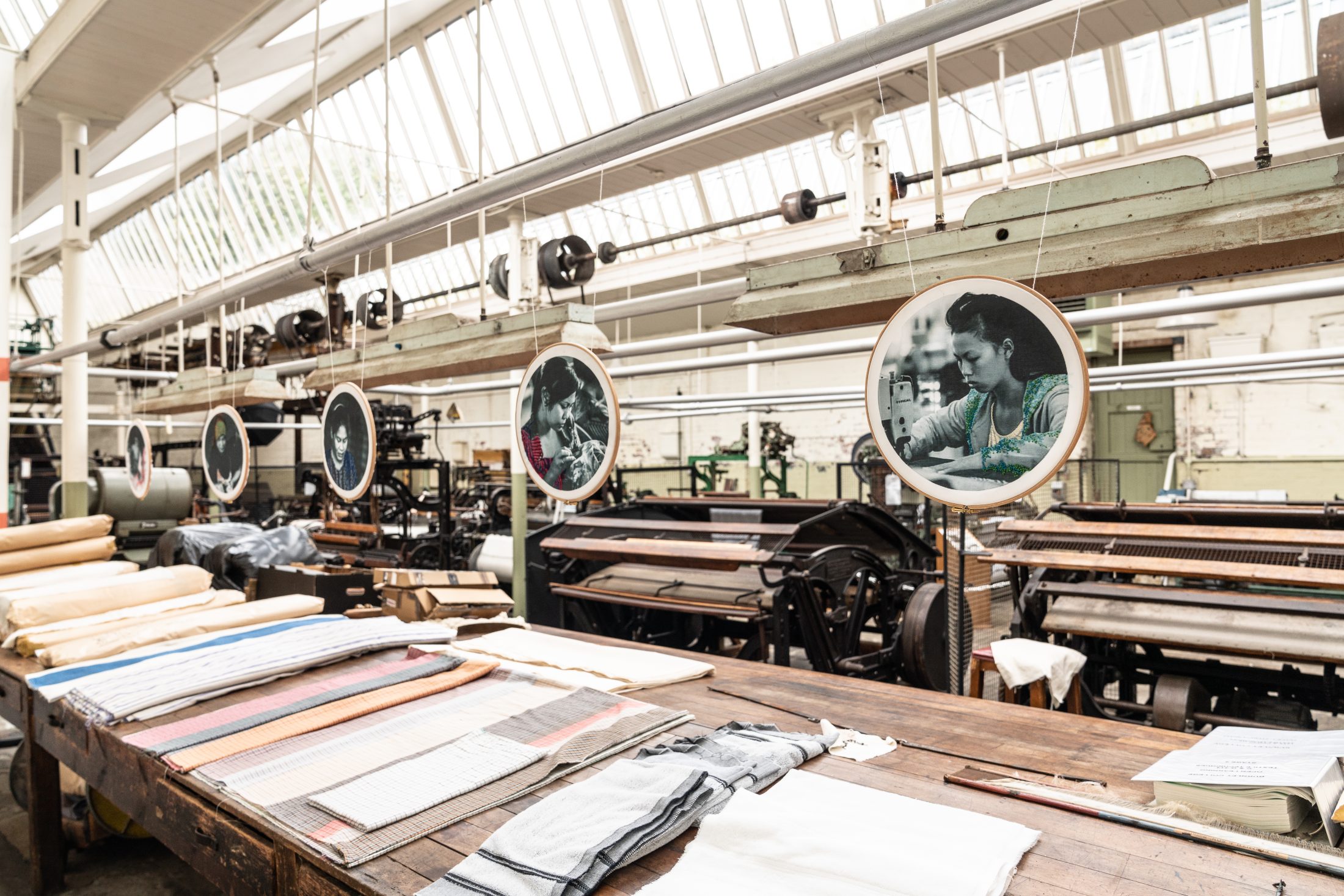
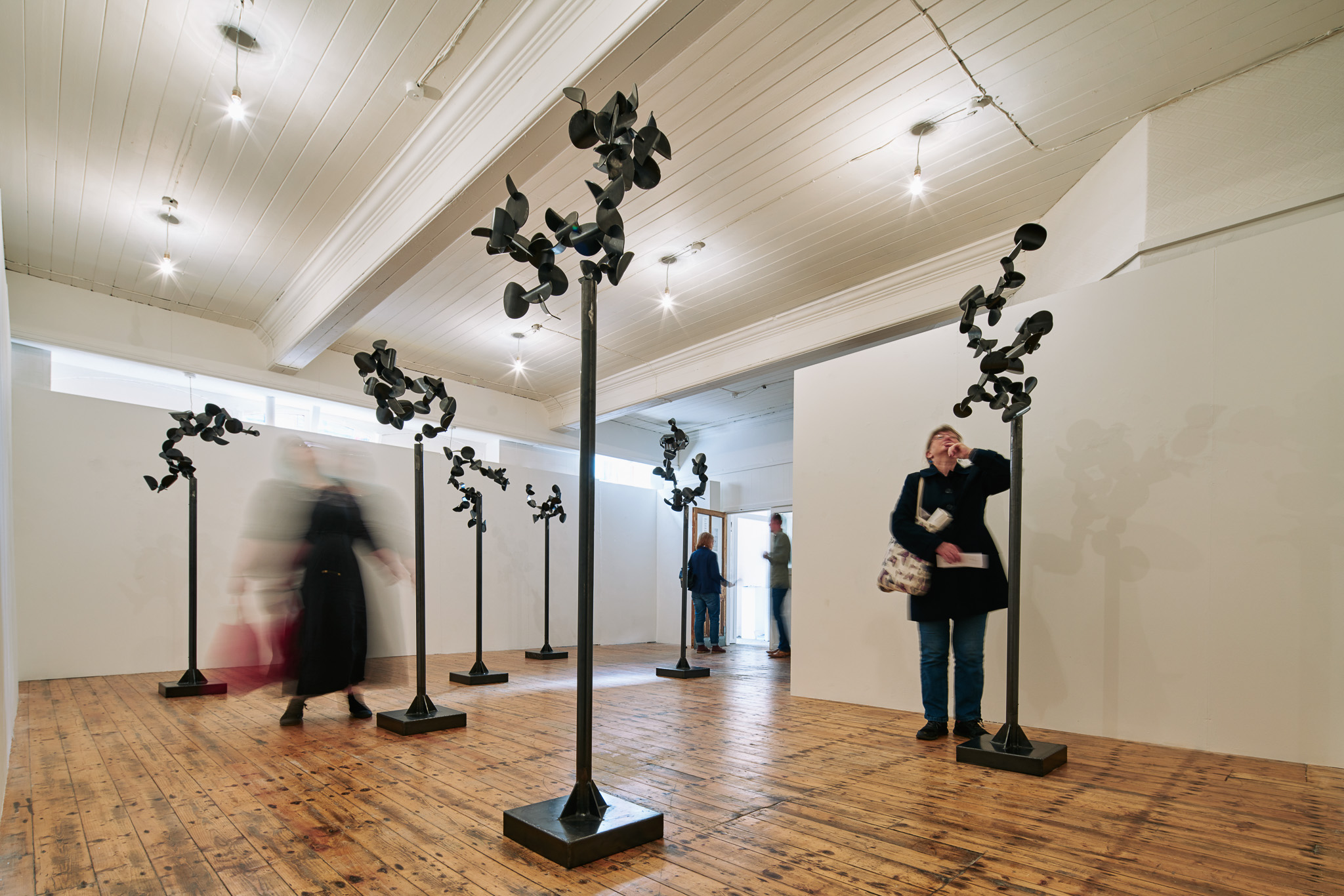
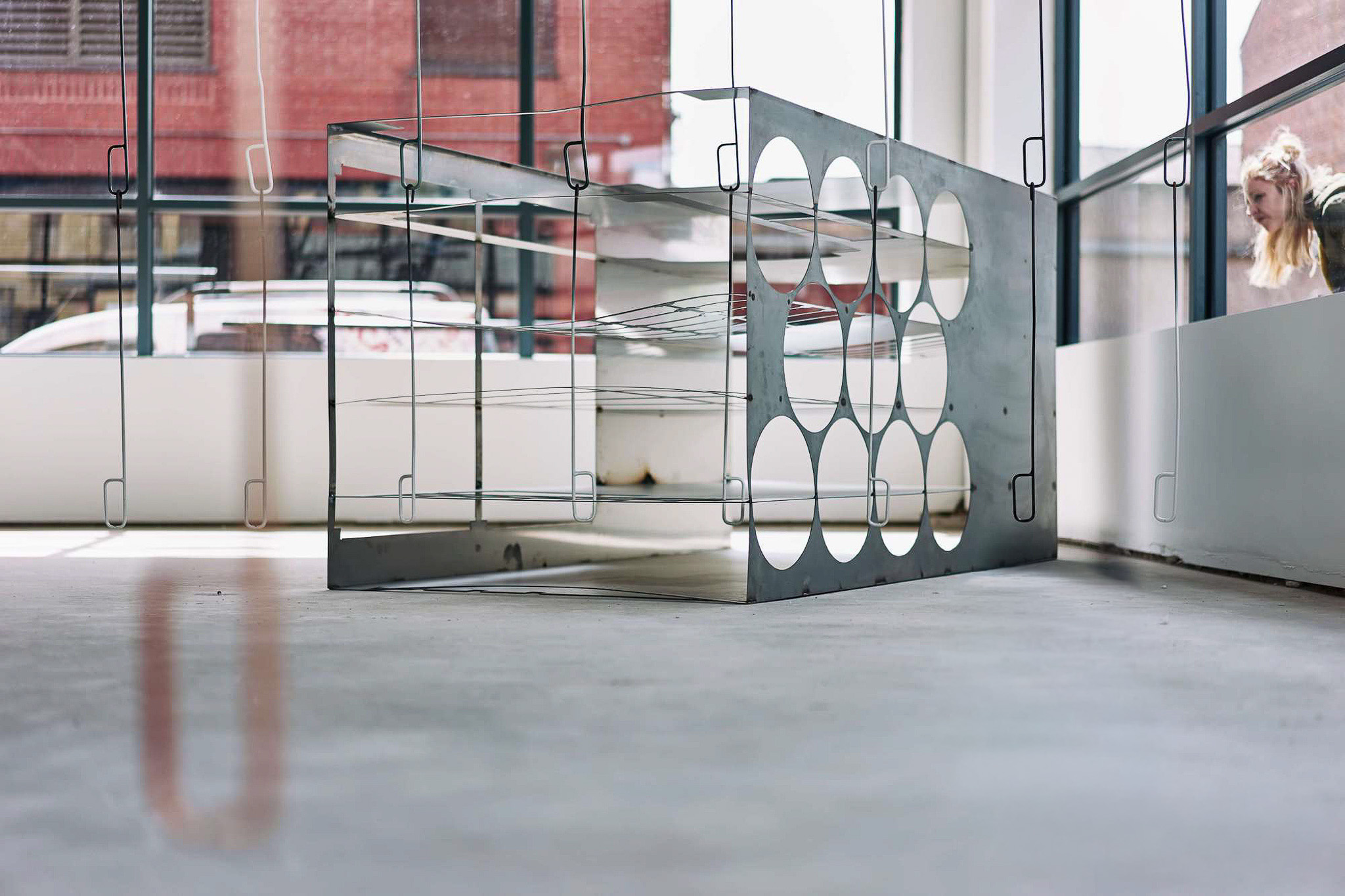
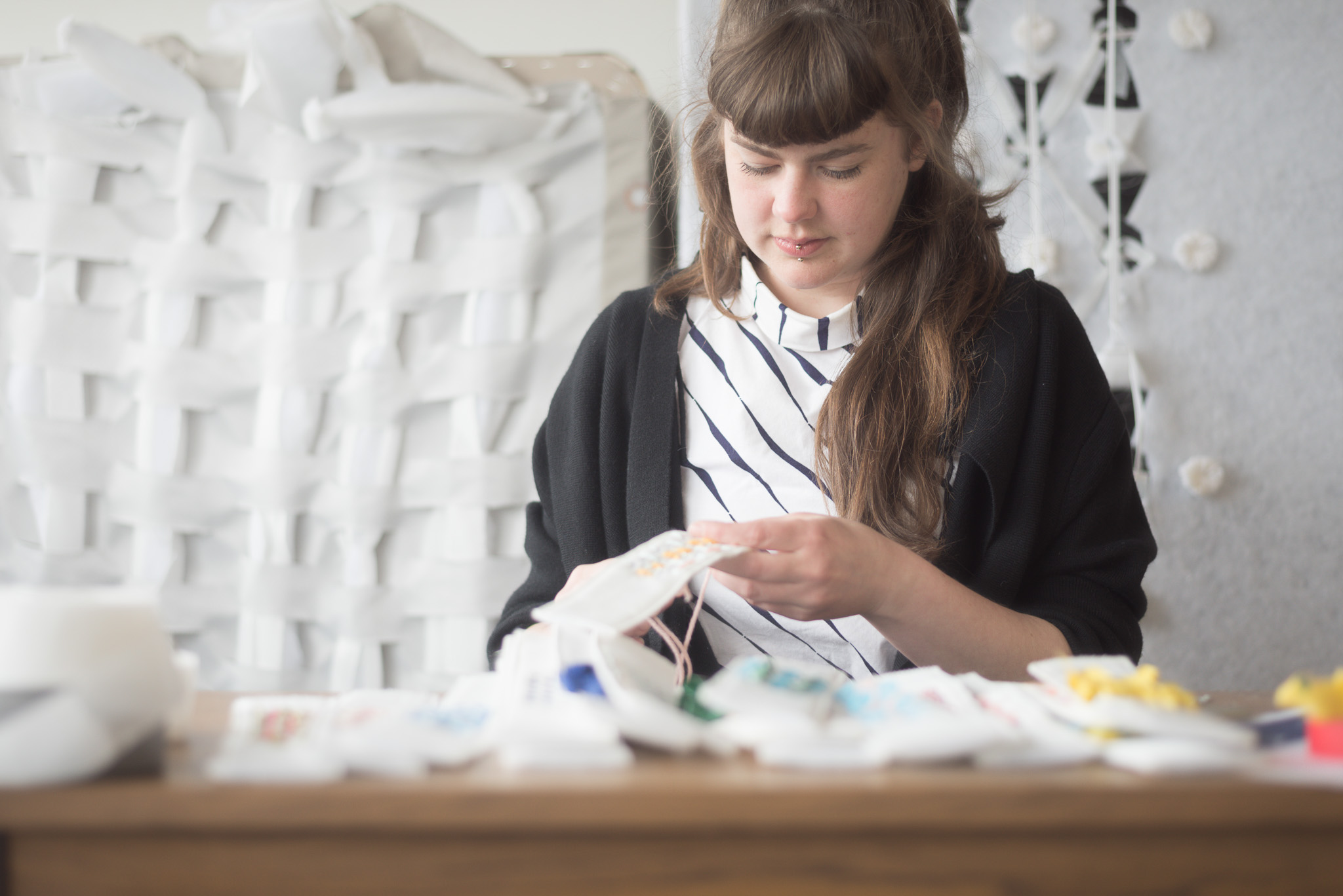
Since the first residencies, Art in Manufacturing has commissioned over 35 artists to work with more than 20 factories, where they have created remarkable outcomes from sculpture to film, installation to choreography. 
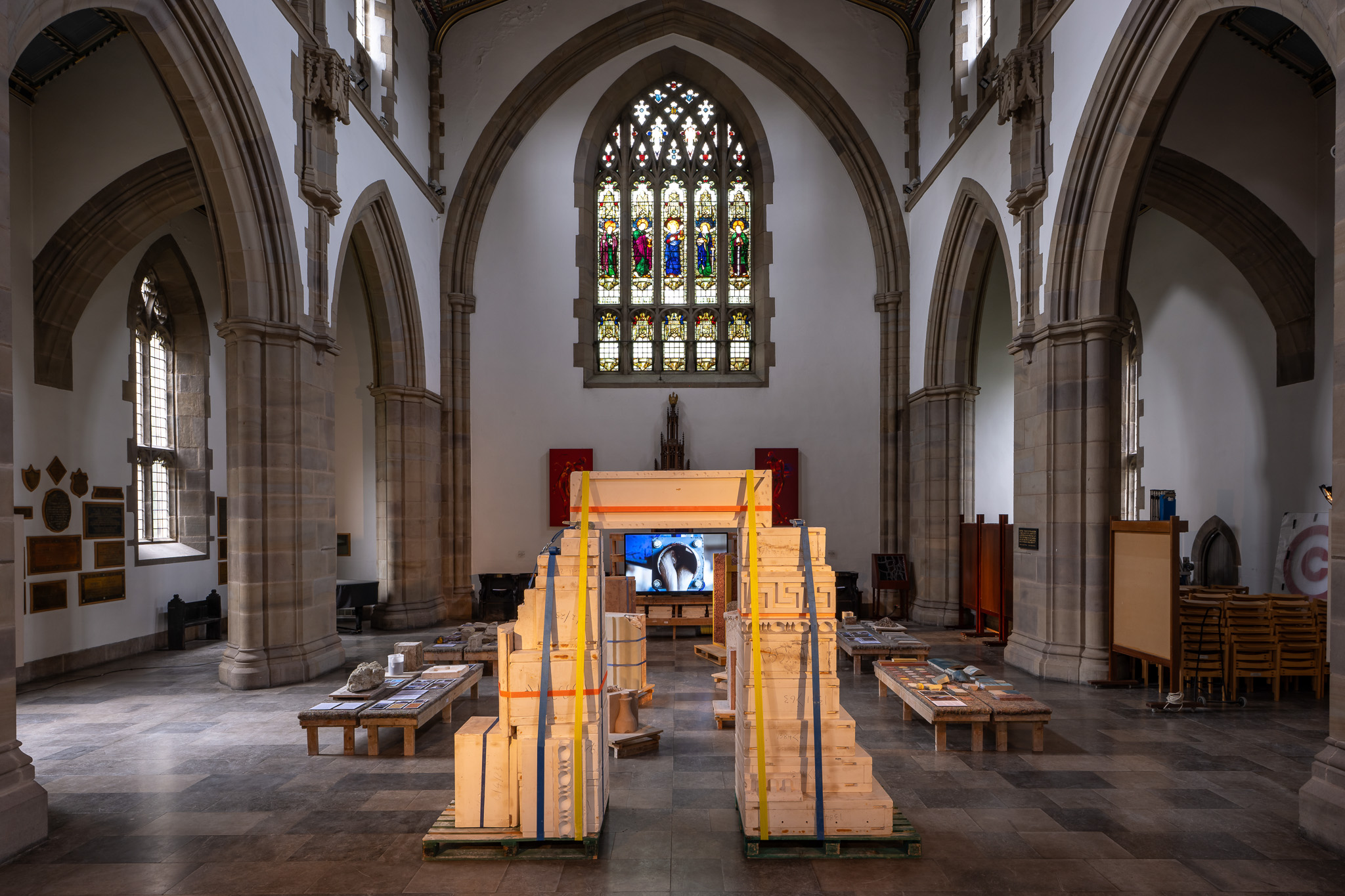
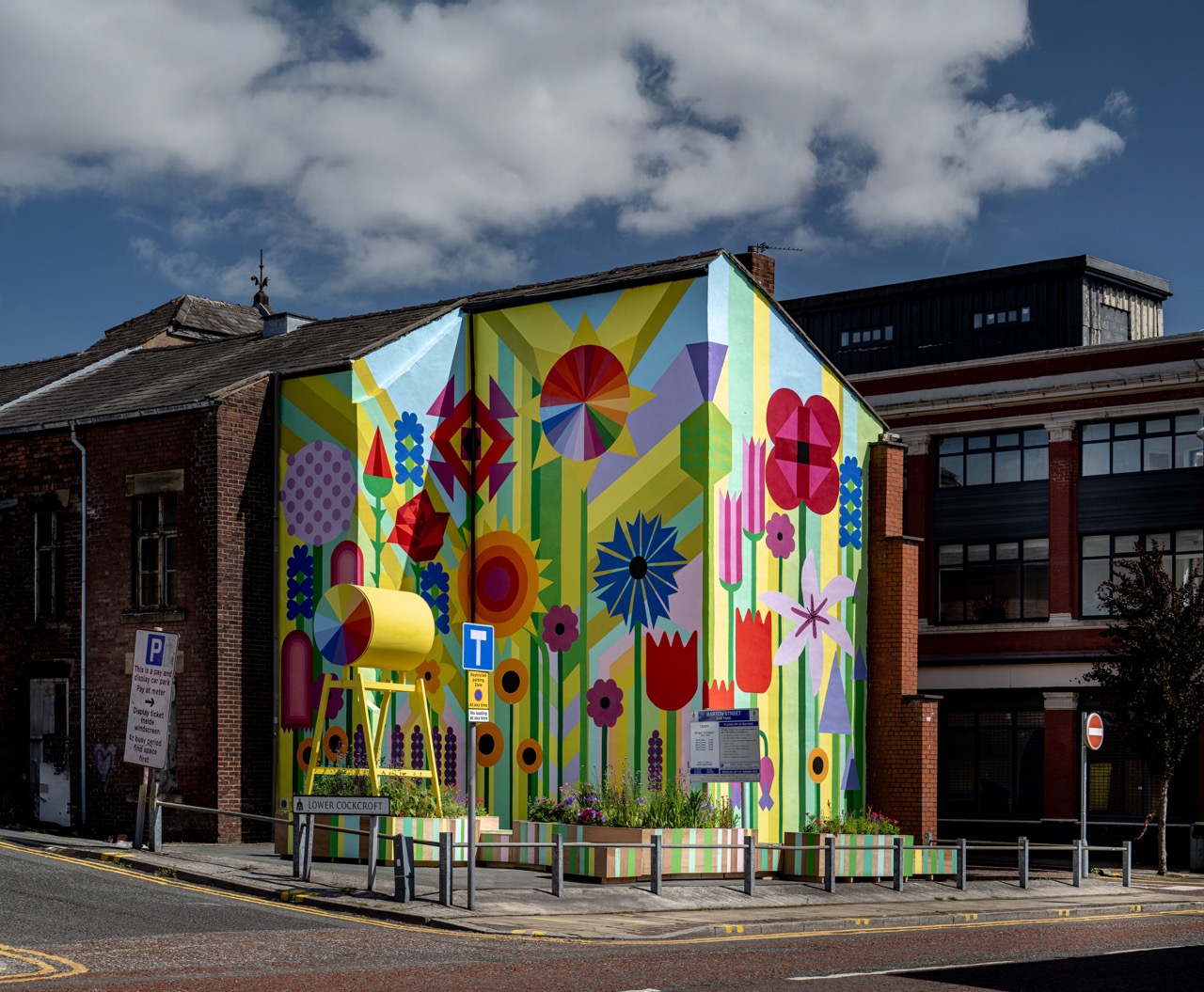
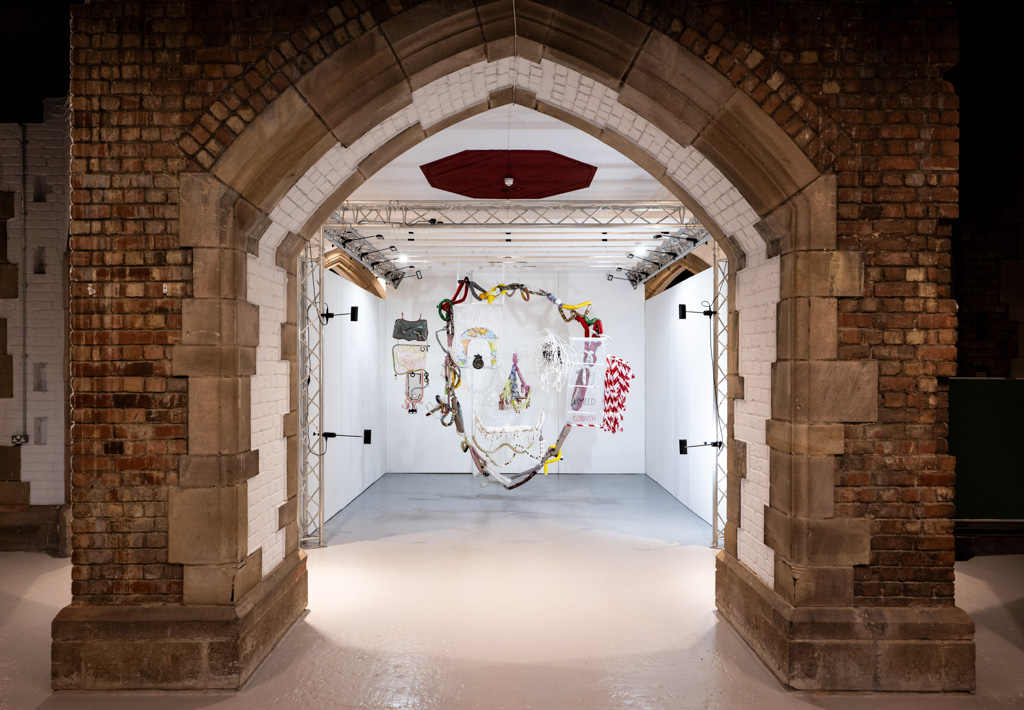
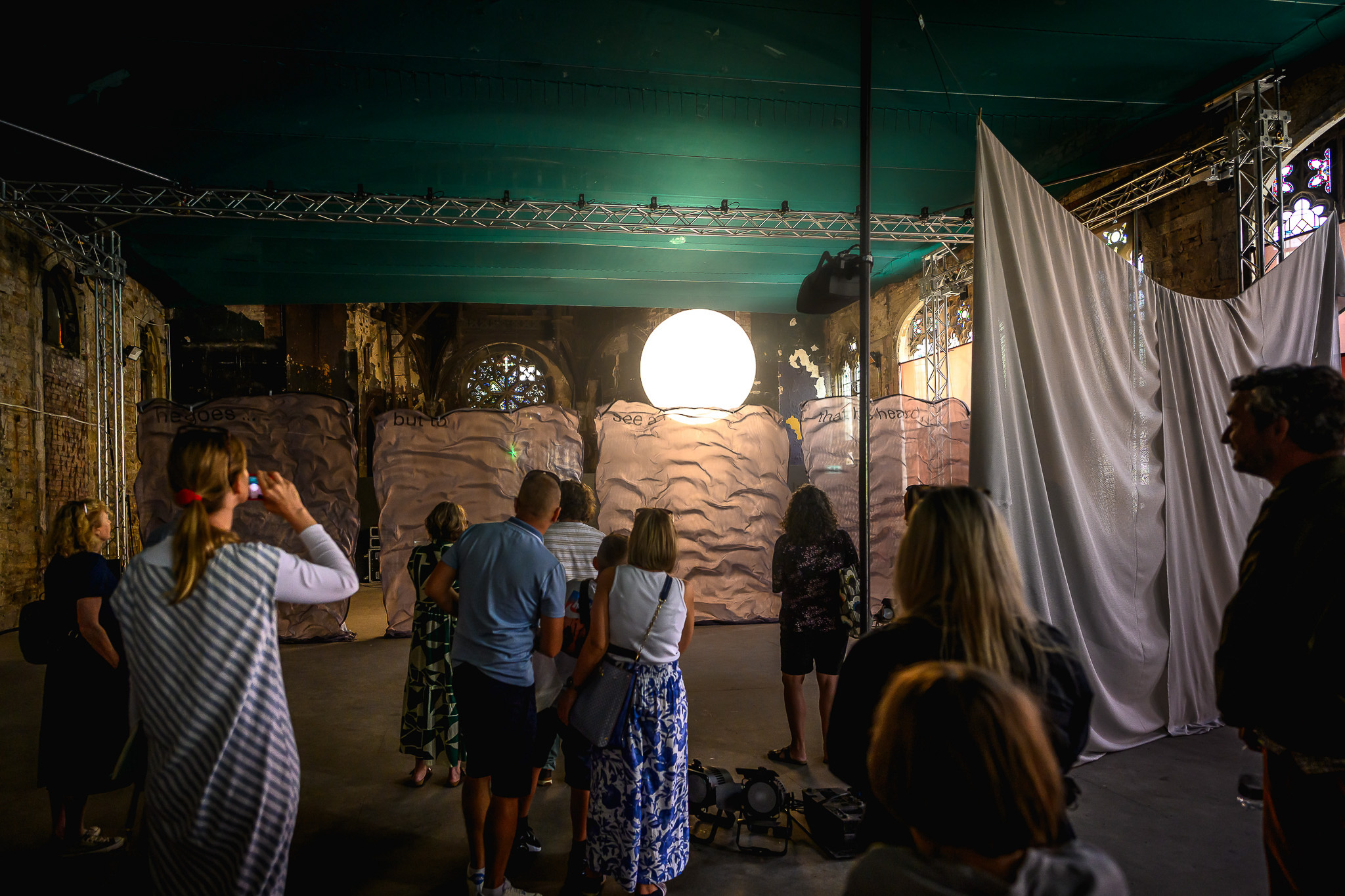
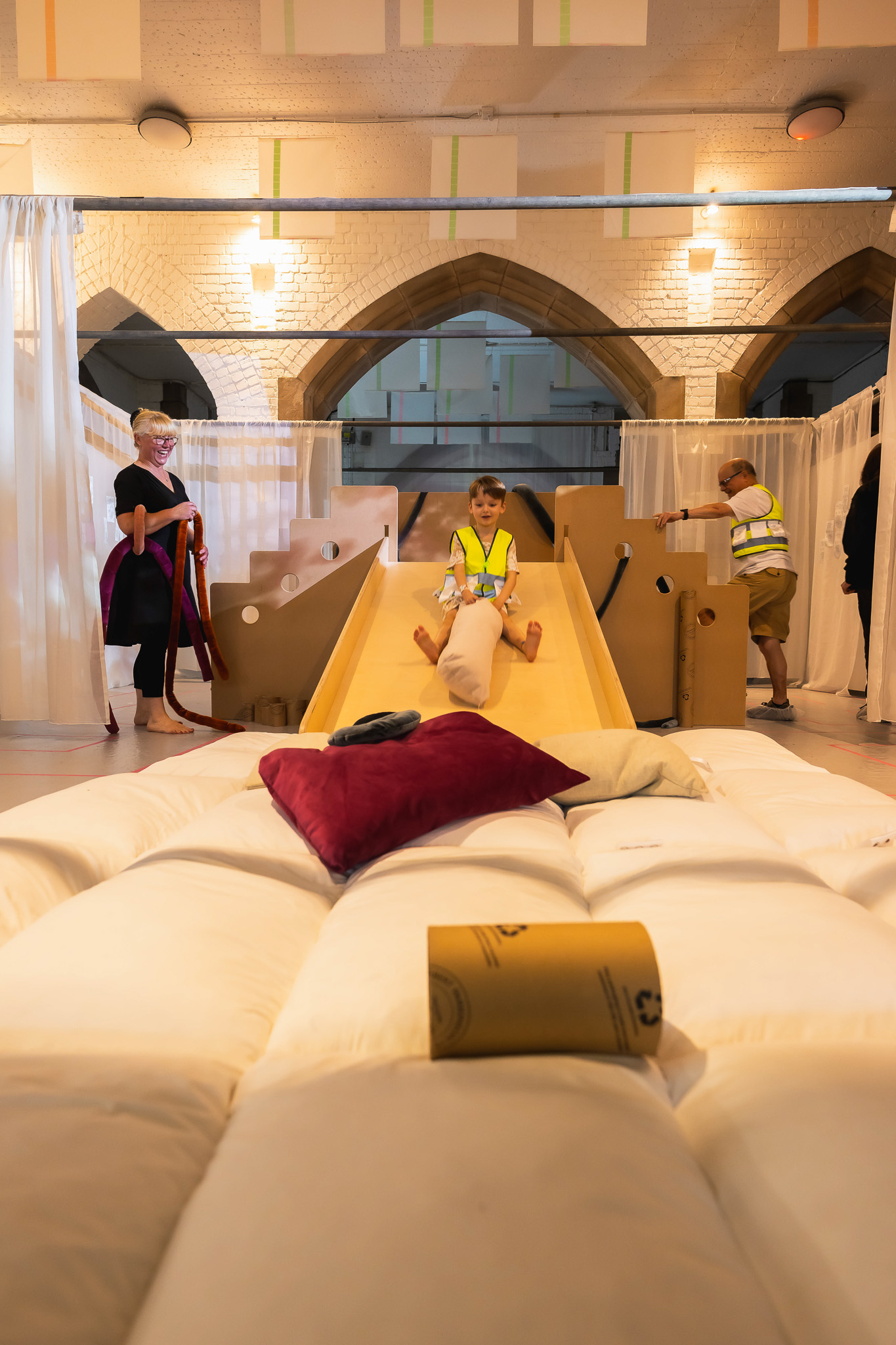
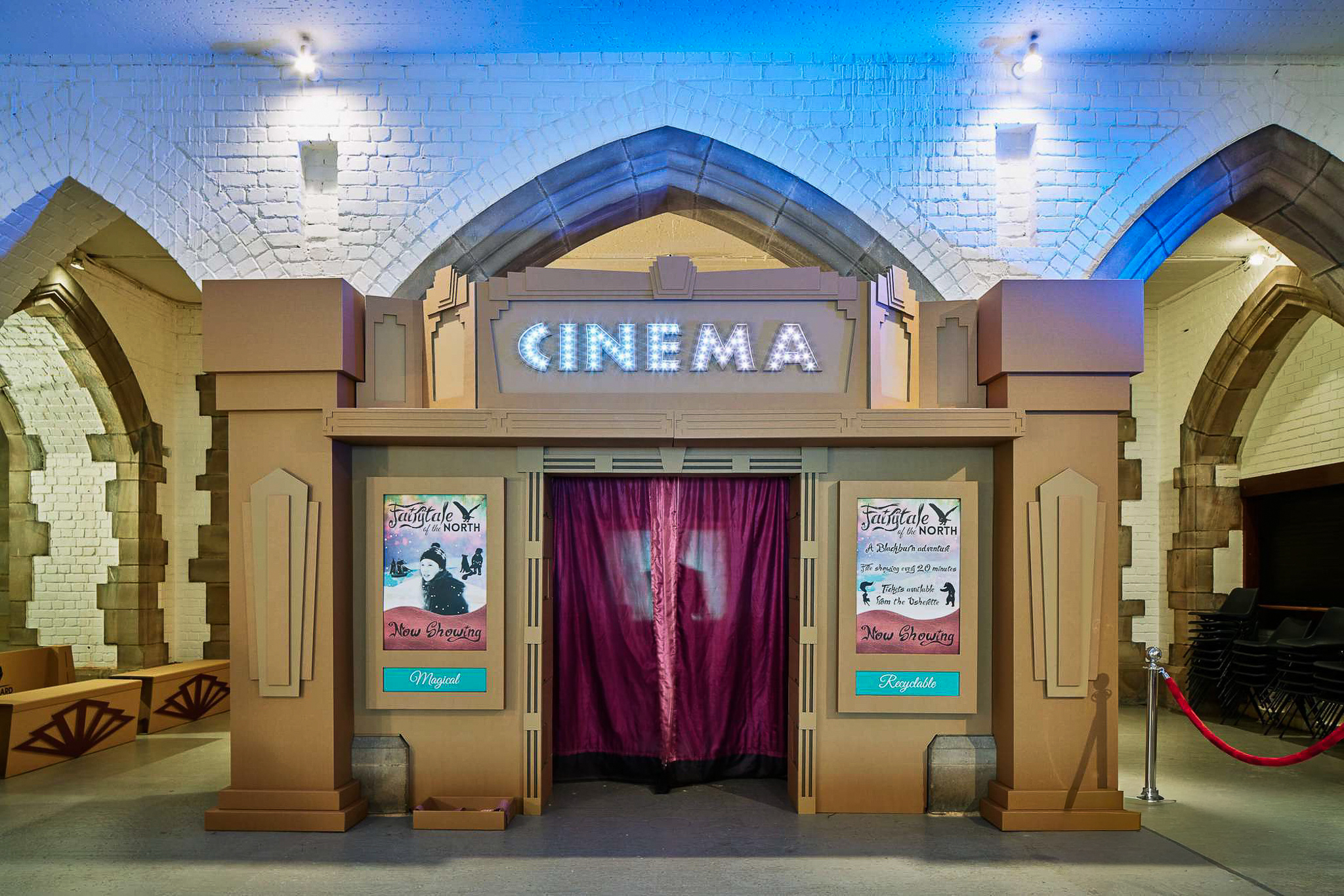
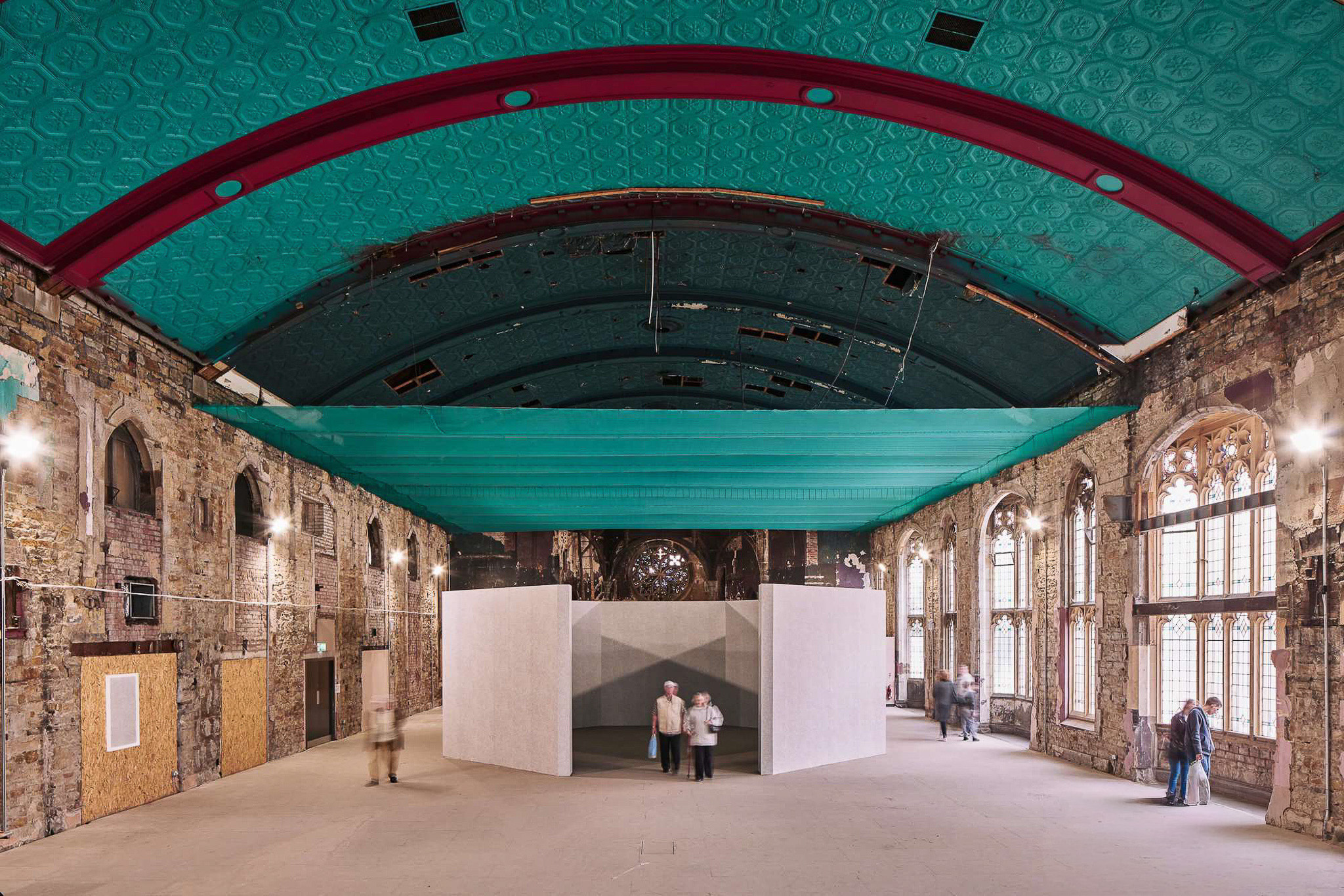
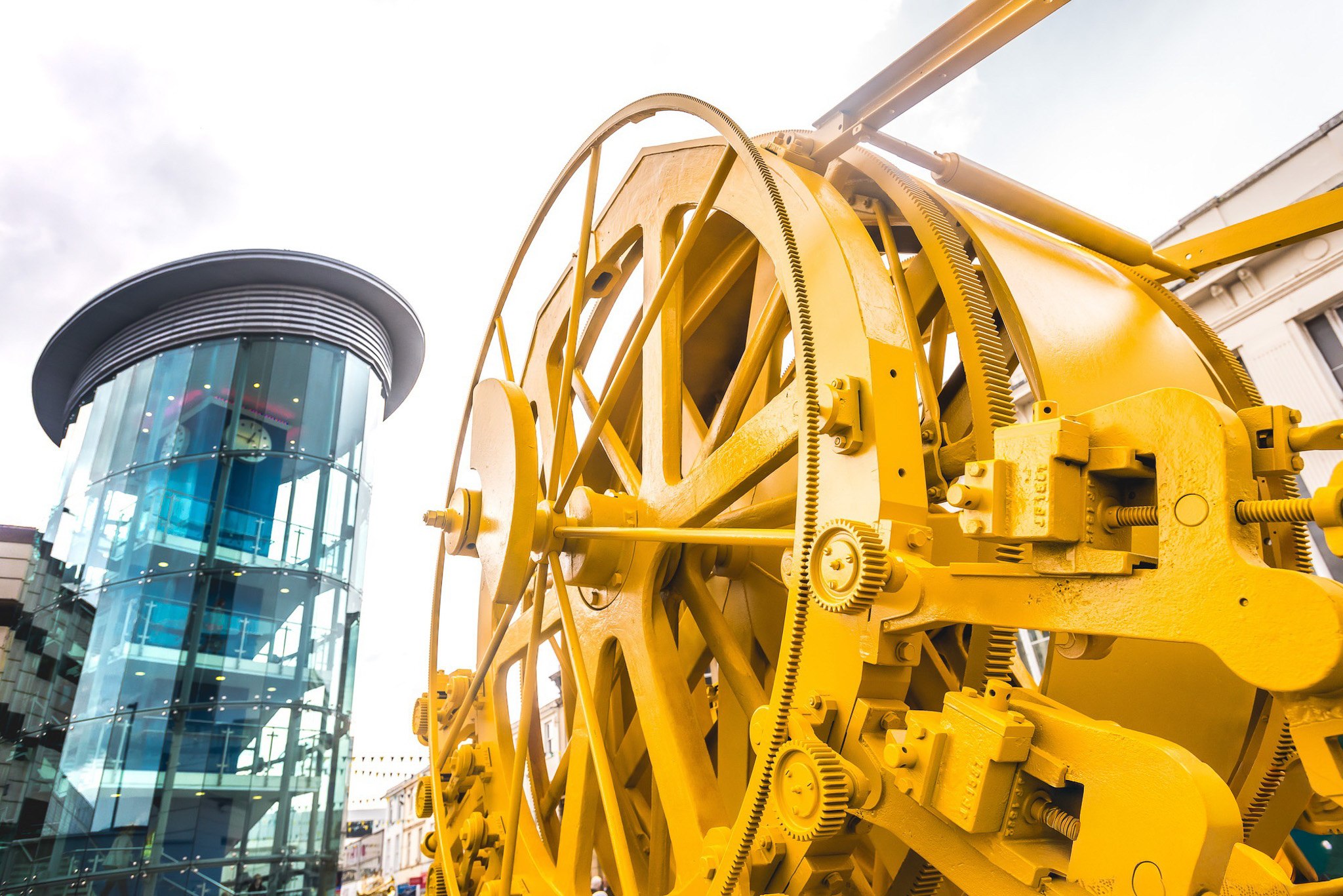
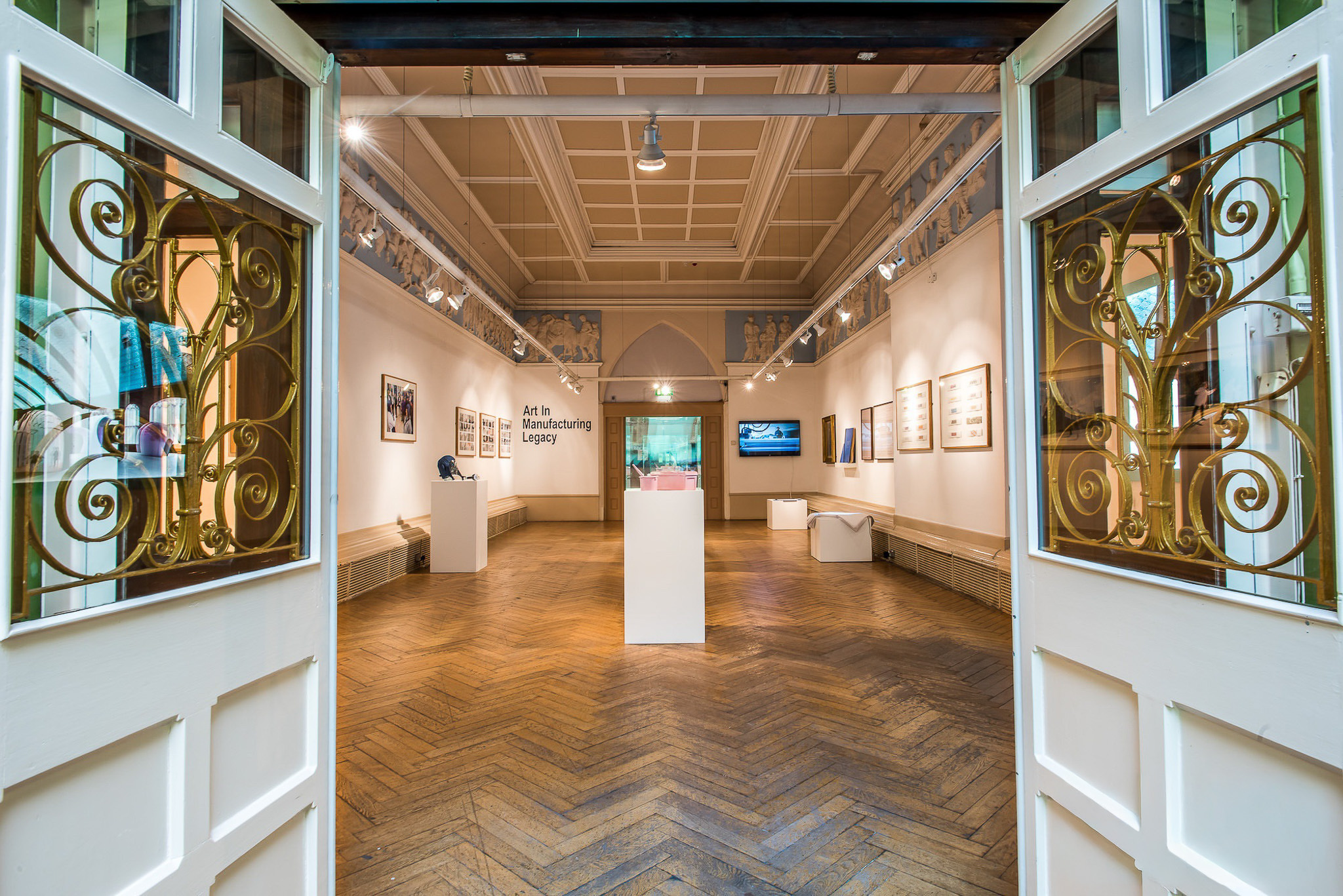
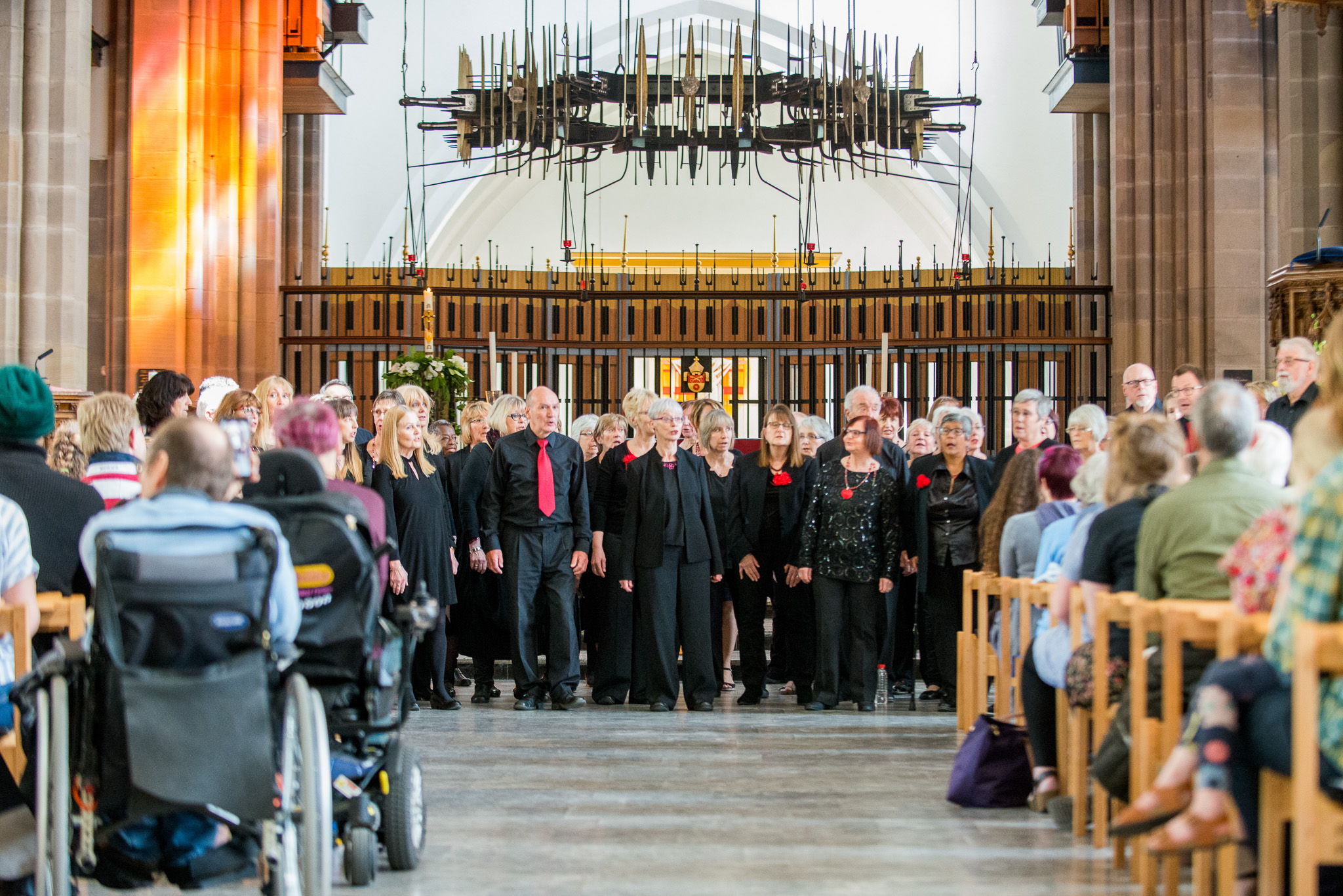
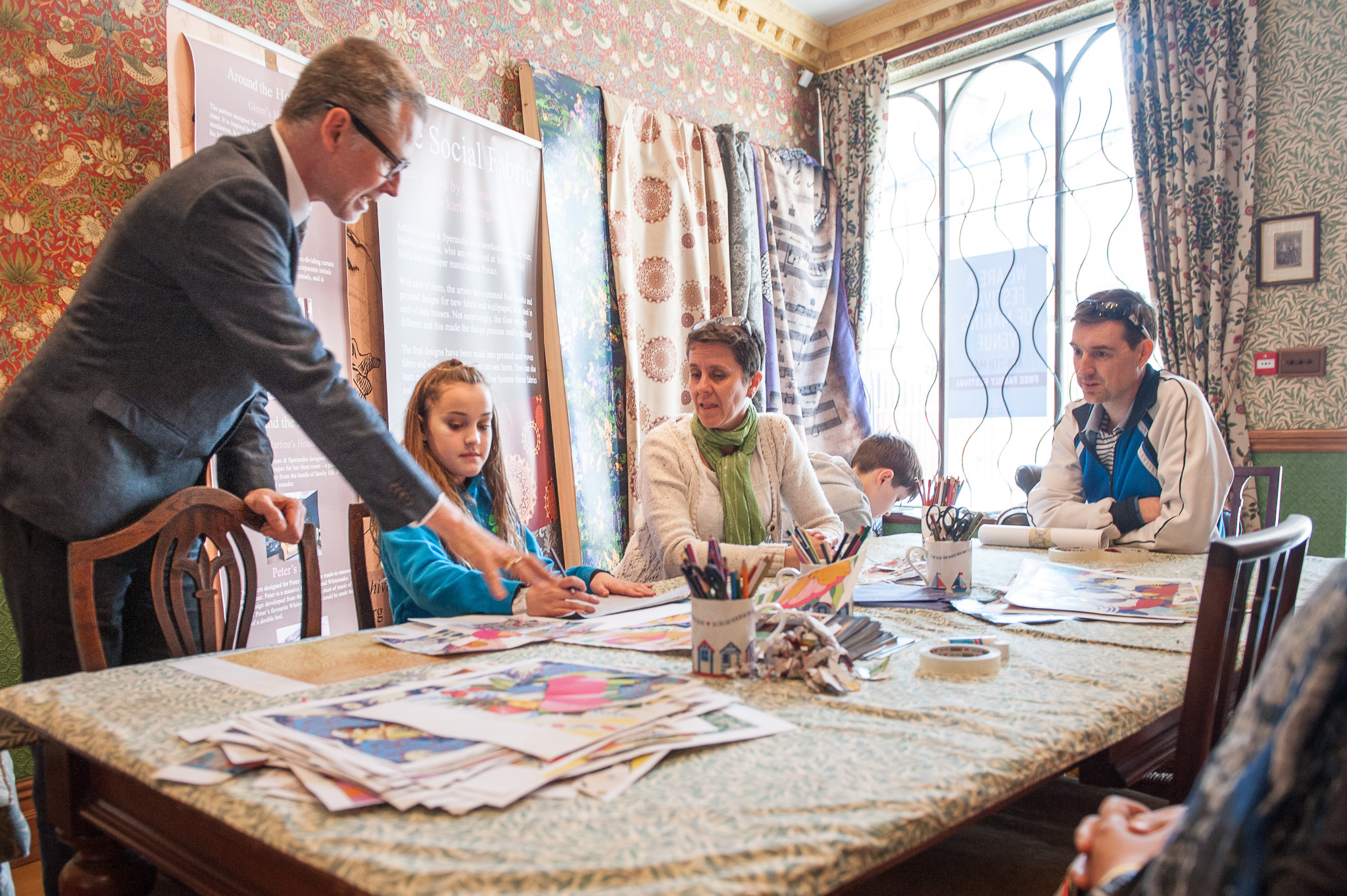
The resulting artworks are presented as part of the National Festival of Making’s programme in venues from Blackburn’s grandest, historic spaces to repurposed town centre shops. The Festival and the works created during residencies make visible the culture made here, and form an invitation to experience this place through an alternative lens.

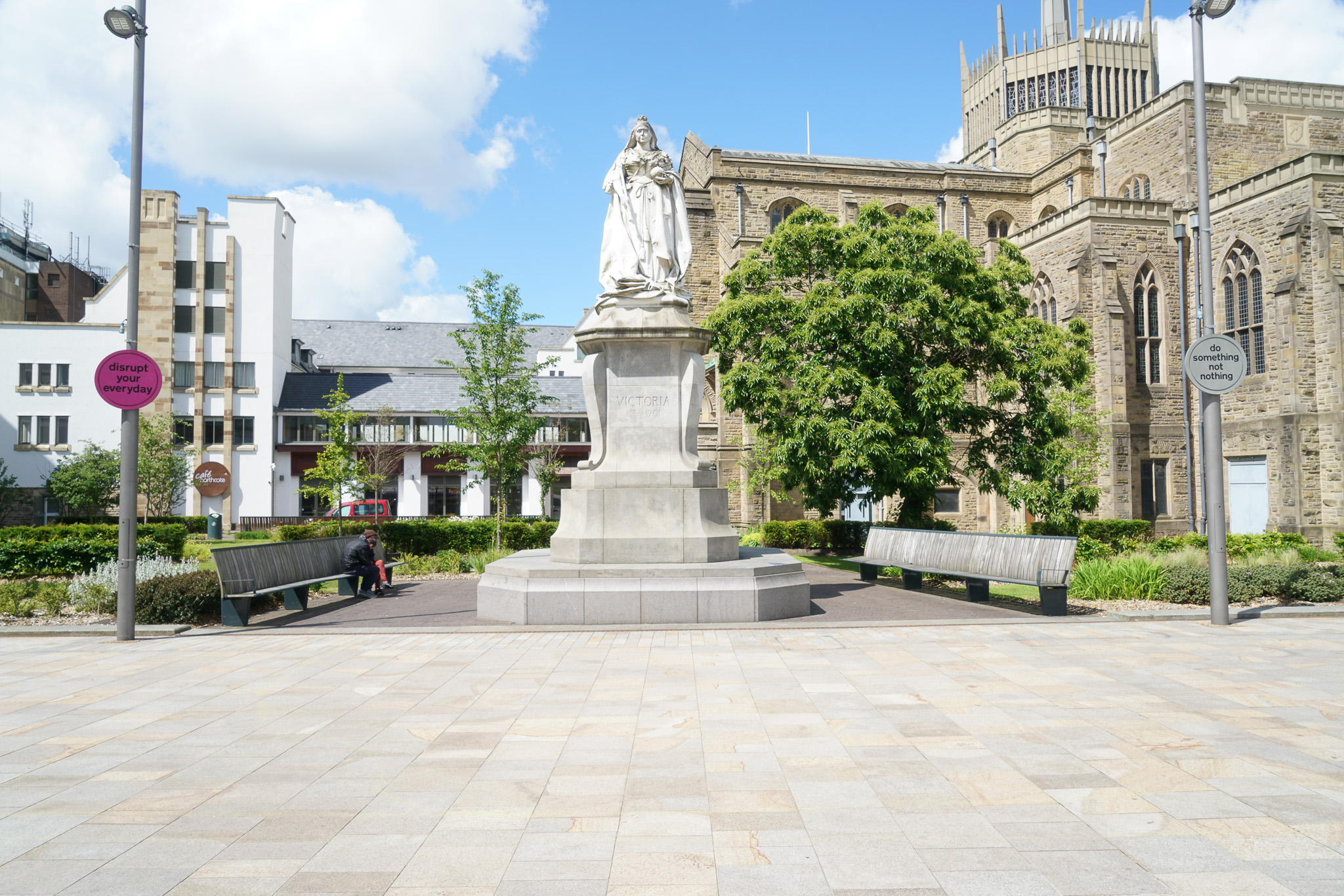
An artist’s practice is often to test, and to either intentionally or unintentionally be disruptive within their own practice or within the space they occupy. Through Art in Manufacturing, we are inviting and welcoming the unknown, which can stand in opposition to the precise and formulaic way that the commercial sector can operate. Because of this unknown, we appreciate a huge amount of trust that all manufacturers have placed in us to respectfully and considerately collaborate with them, with a shared aim that, through the programme, we might connect their story to a much wider and unexpected audience and create experiences with their workforces that fall outside of the everyday.
Manufacturers

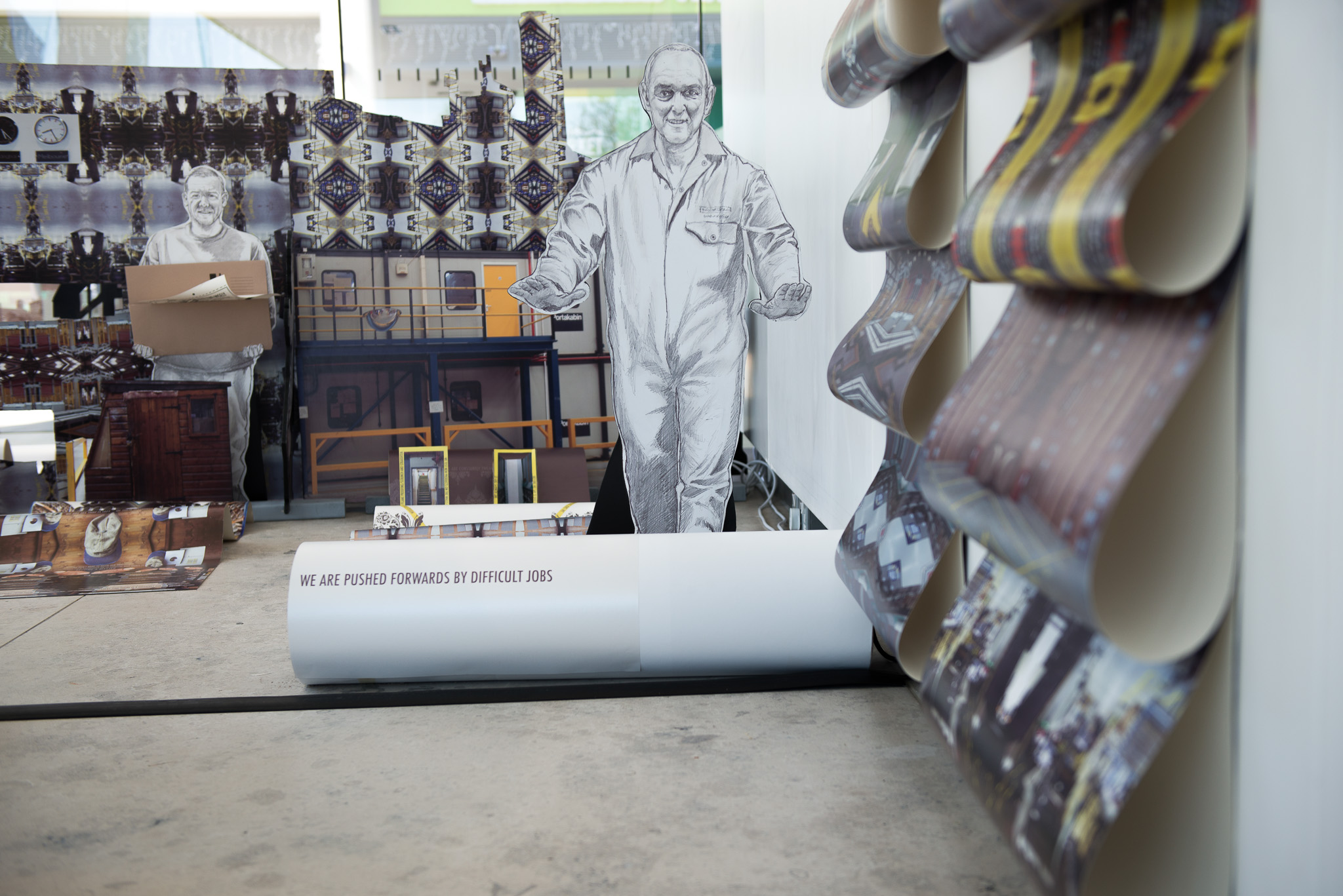
The Art in Manufacturing proposition intentionally locates the industrial sector at the centre of the commissioning programme. It developed in parallel to the Festival and formed a commissioning partnership with The Super Slow Way, an Arts Council England Creative People and Places programme. Since the first residencies, artists have brought a hunger for experimentation with proposals that eschewed expectations, testing their own boundaries, those of their partner manufacturers and that of exhibition space and site.

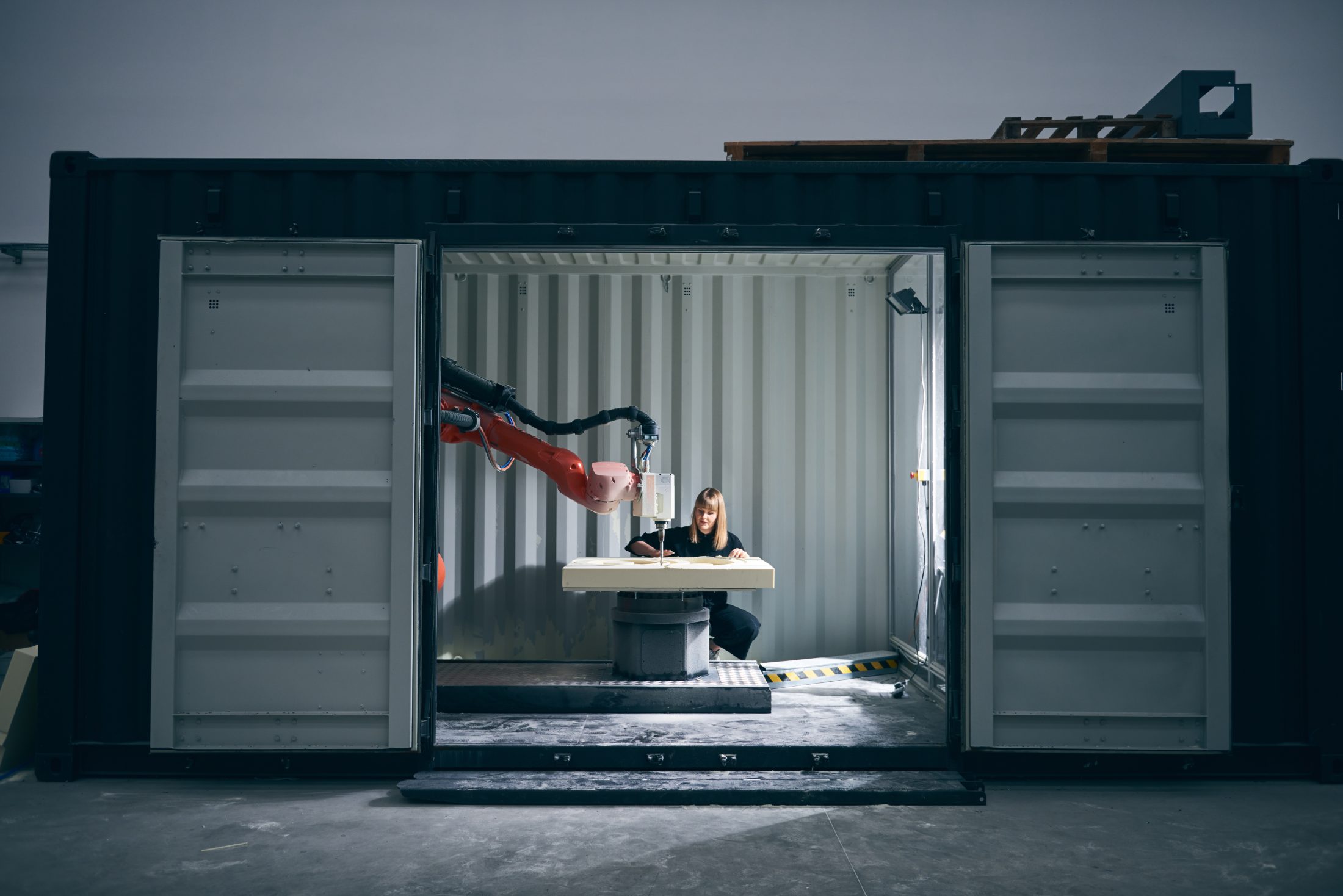
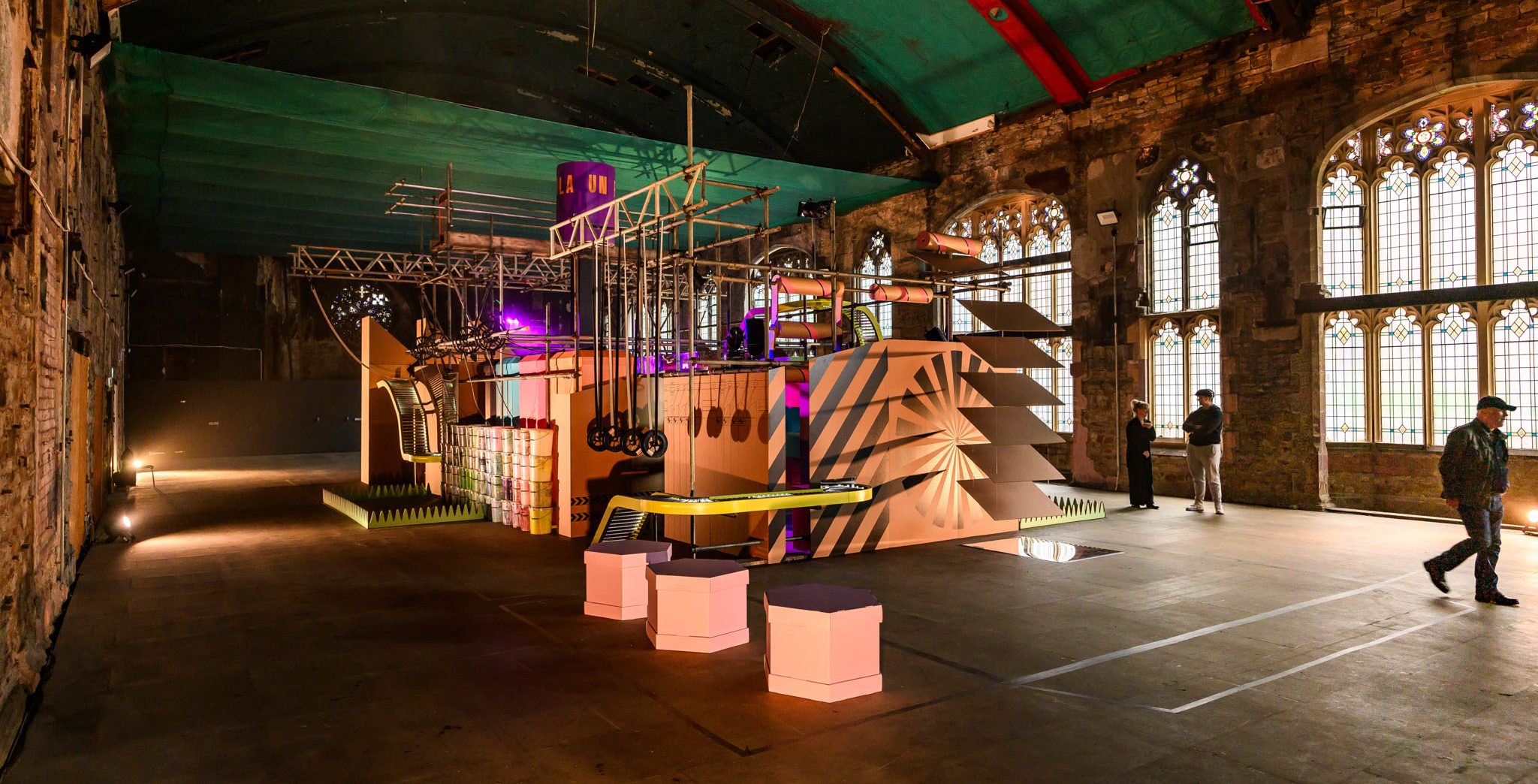
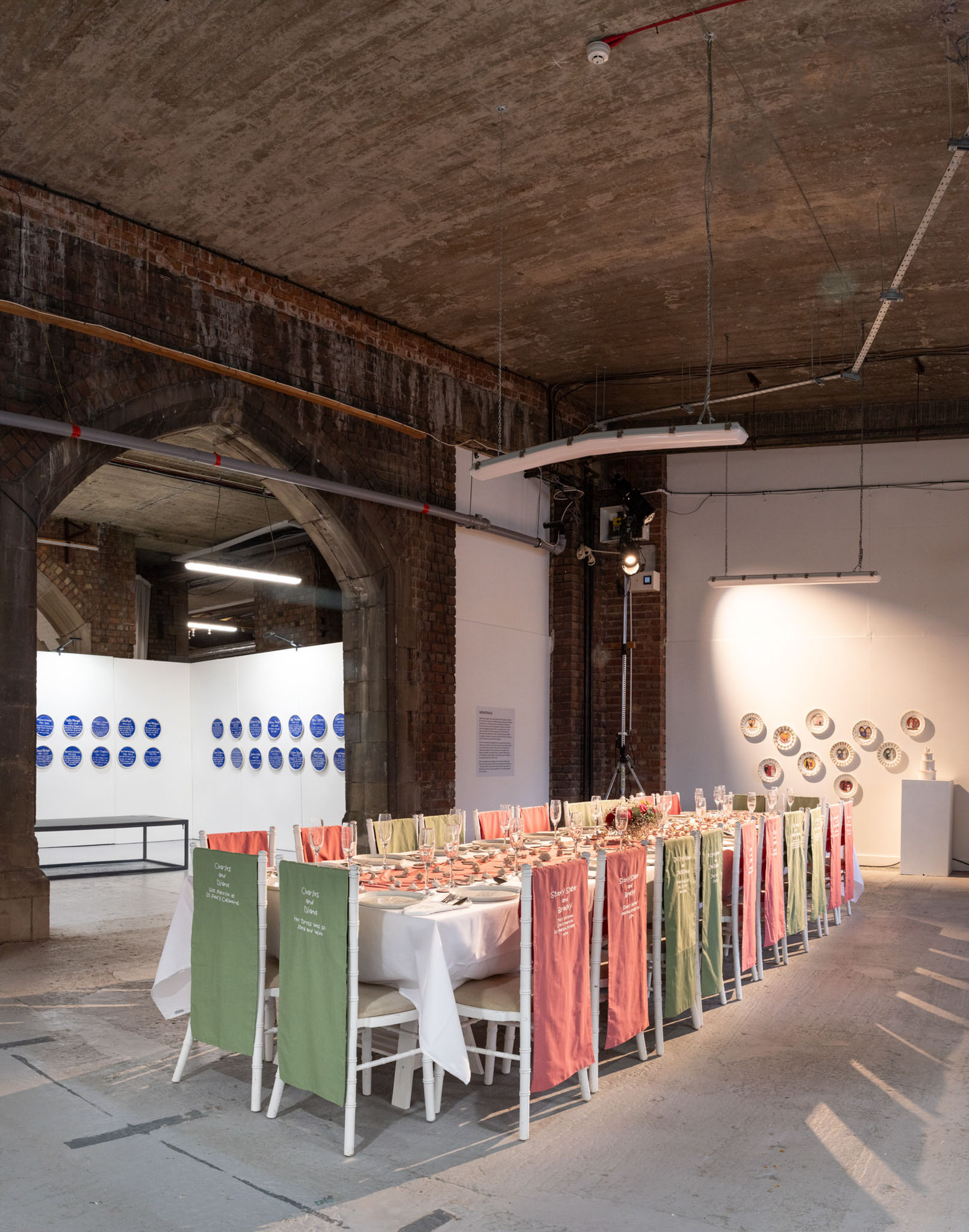
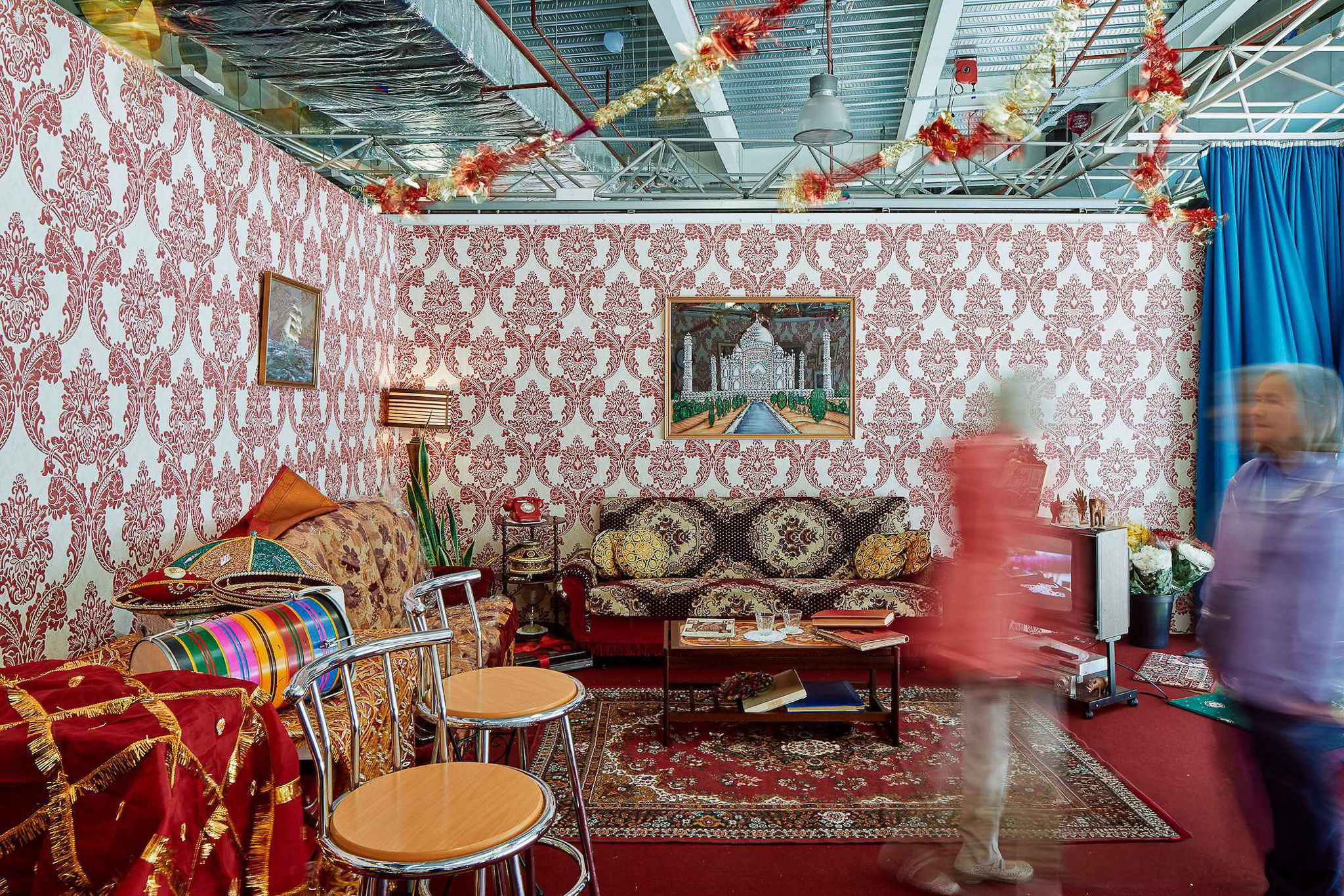
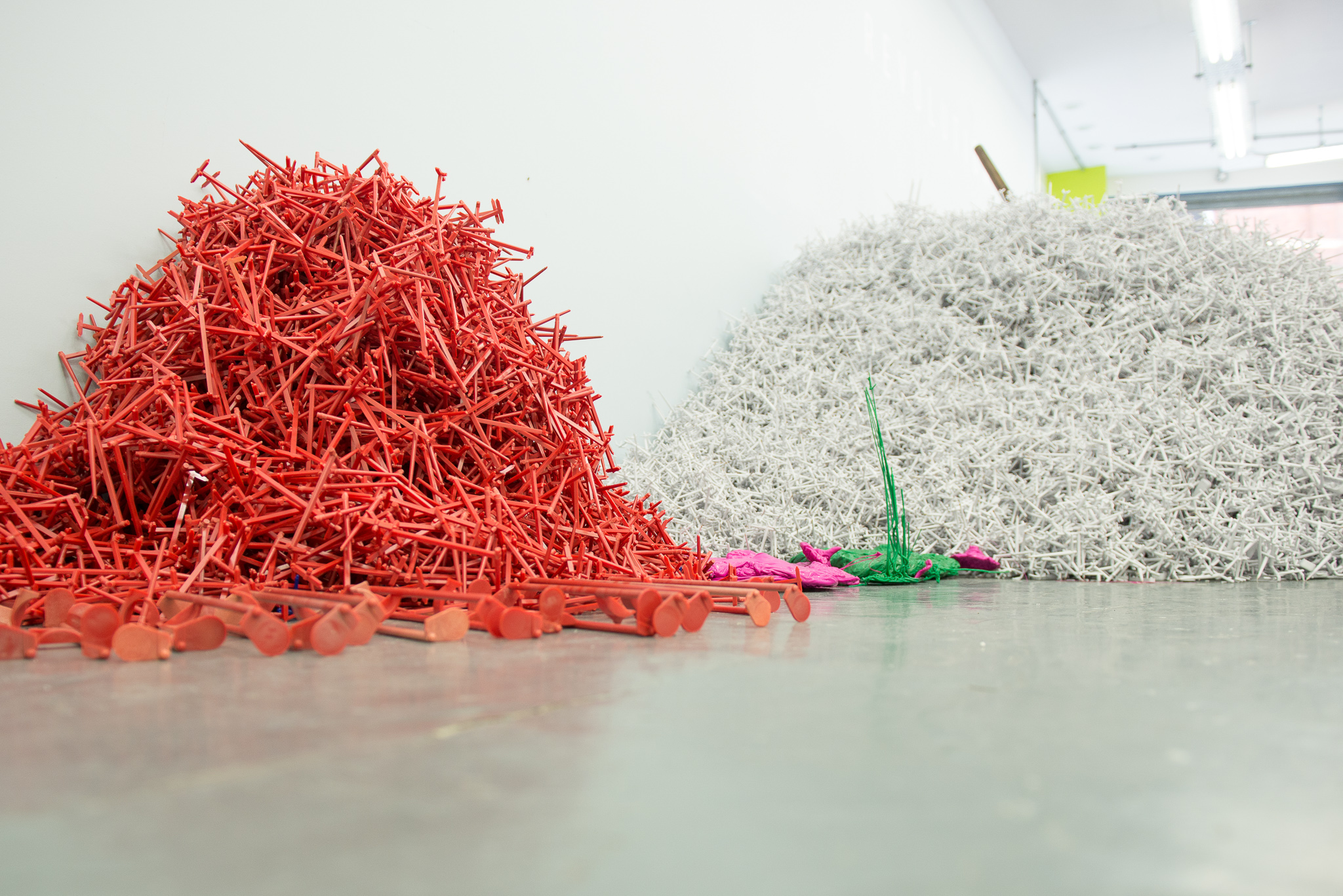
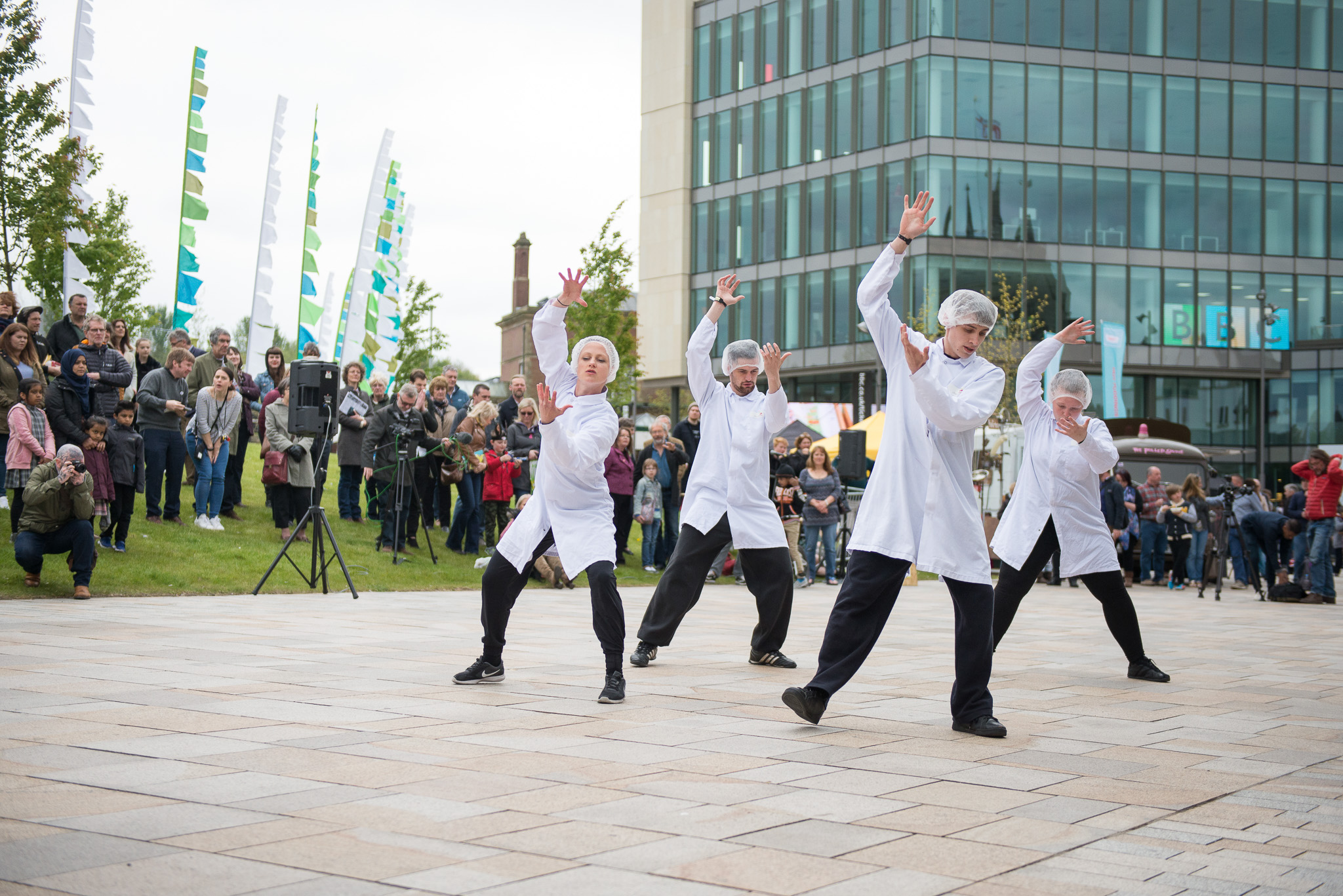
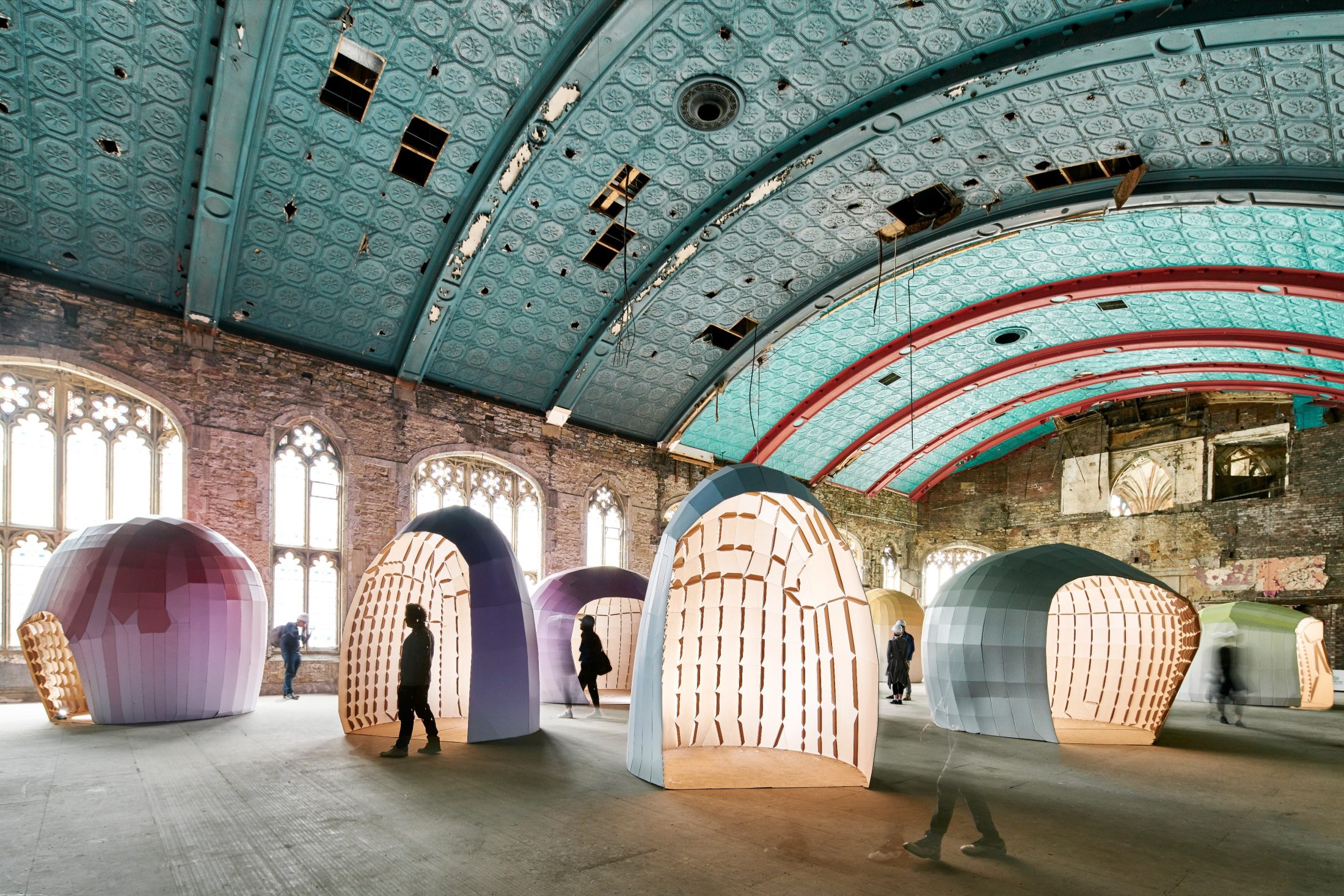
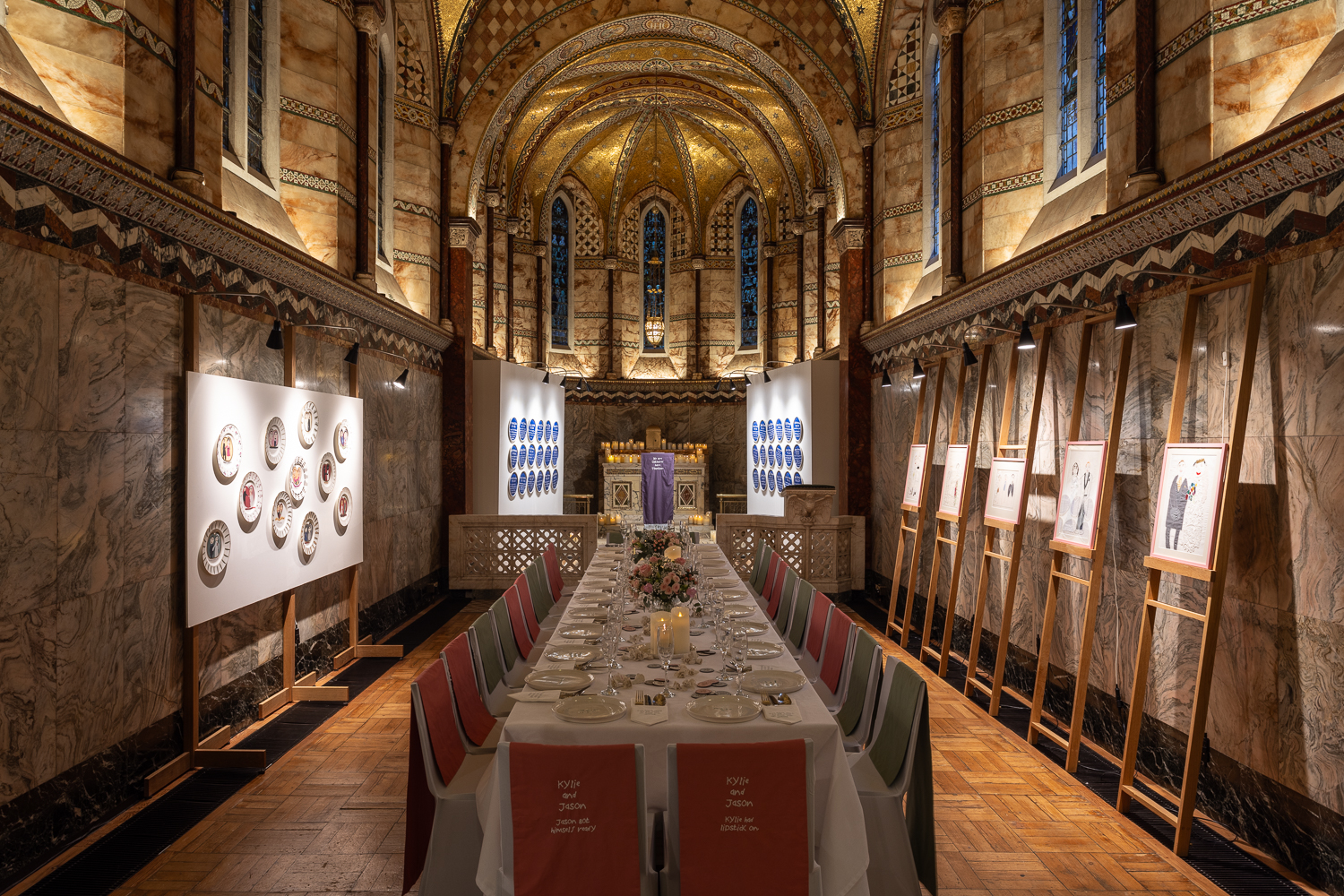
Amongst the breadth of commissions, works include Ruth Jones’ choreography “Traysway” with Cherrytree Bakery which spoke of Rudolf Laban’s historic performances with industrial workforces; Lazerian’s “Chromatogram”, the first work made in what has become an eight year long partnership with Cardboard Box Company; Dawinder Bansal’s “Making of a South Asian Wedding” that time travelled through cultural traditions across family generations,

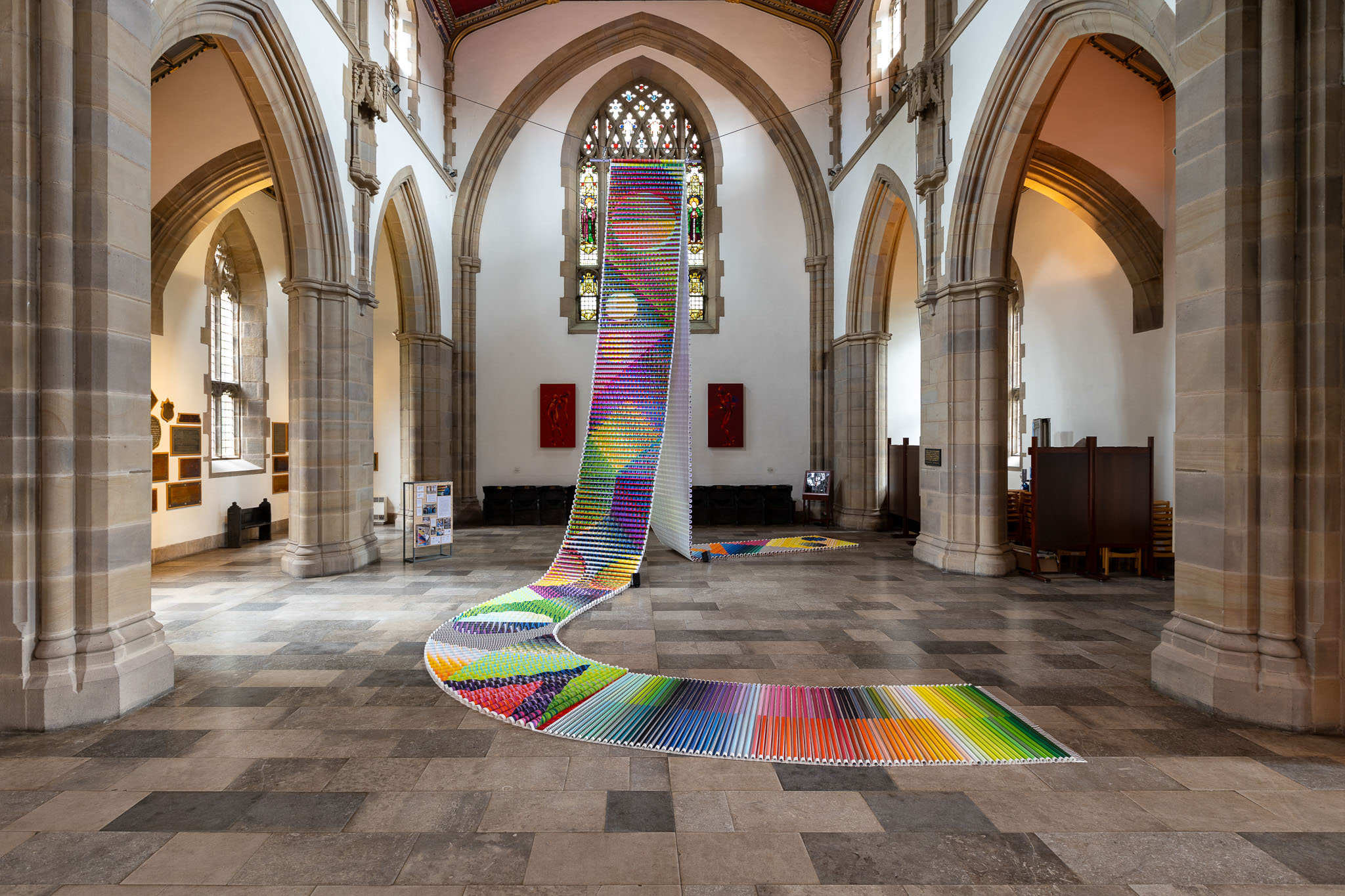
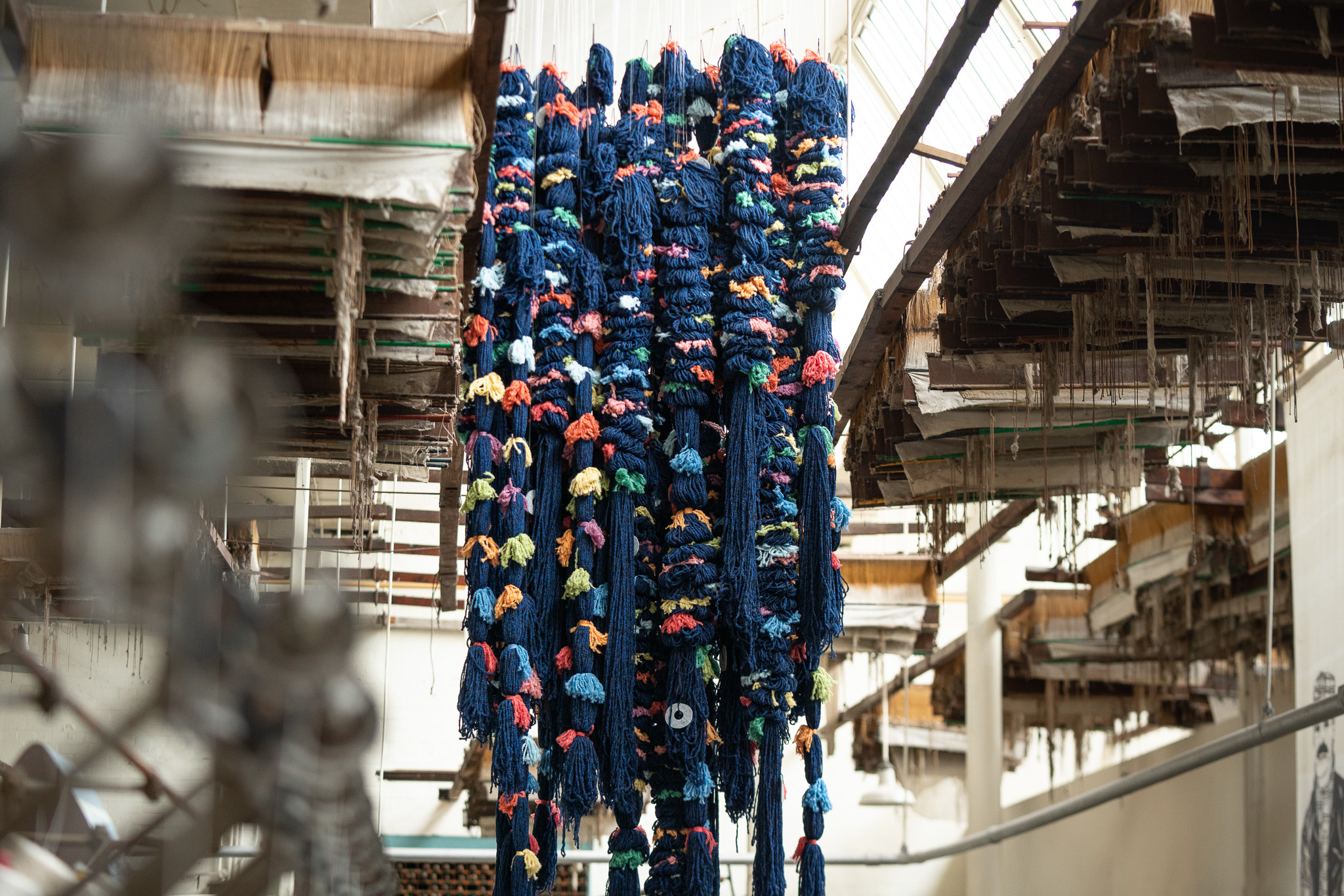
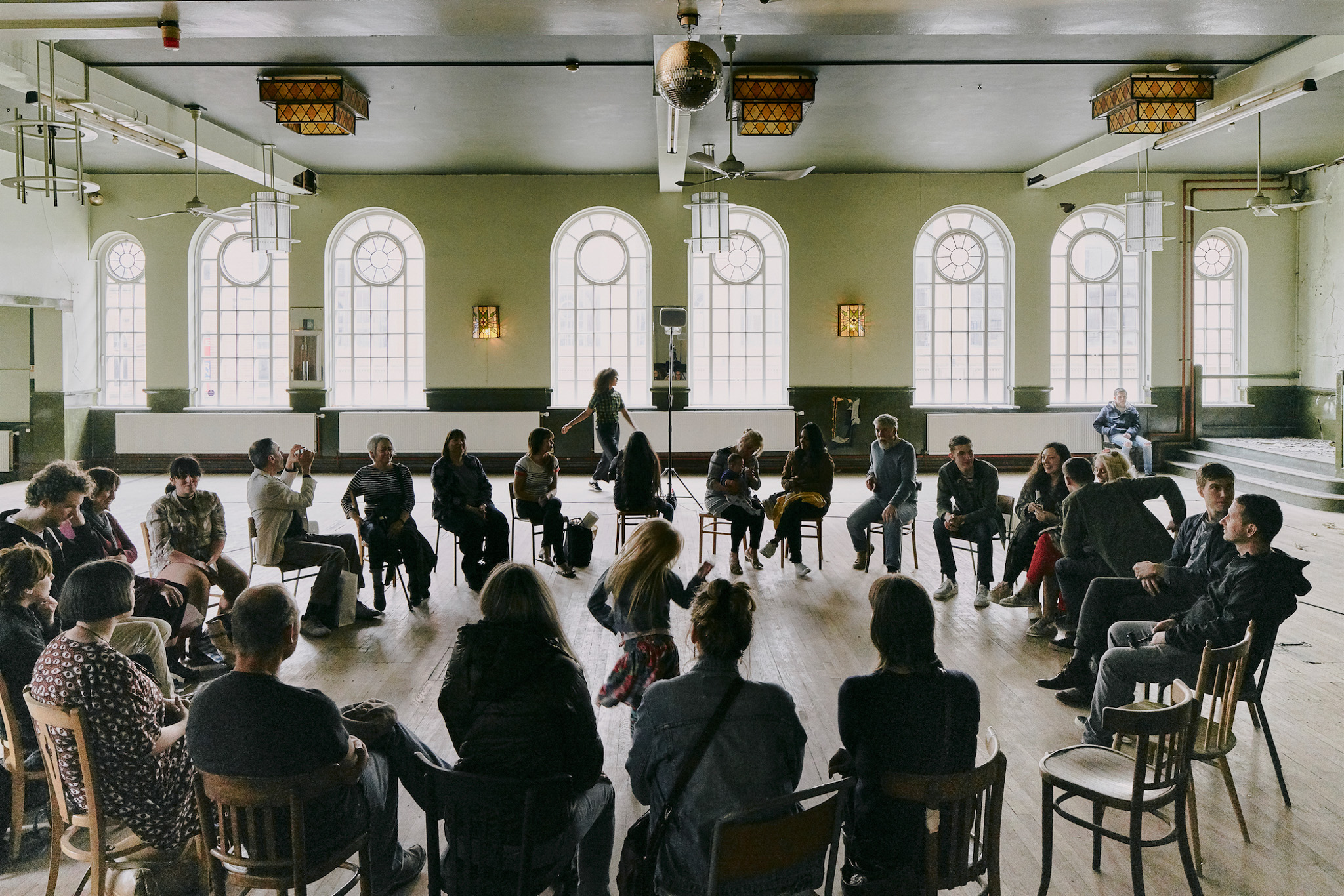
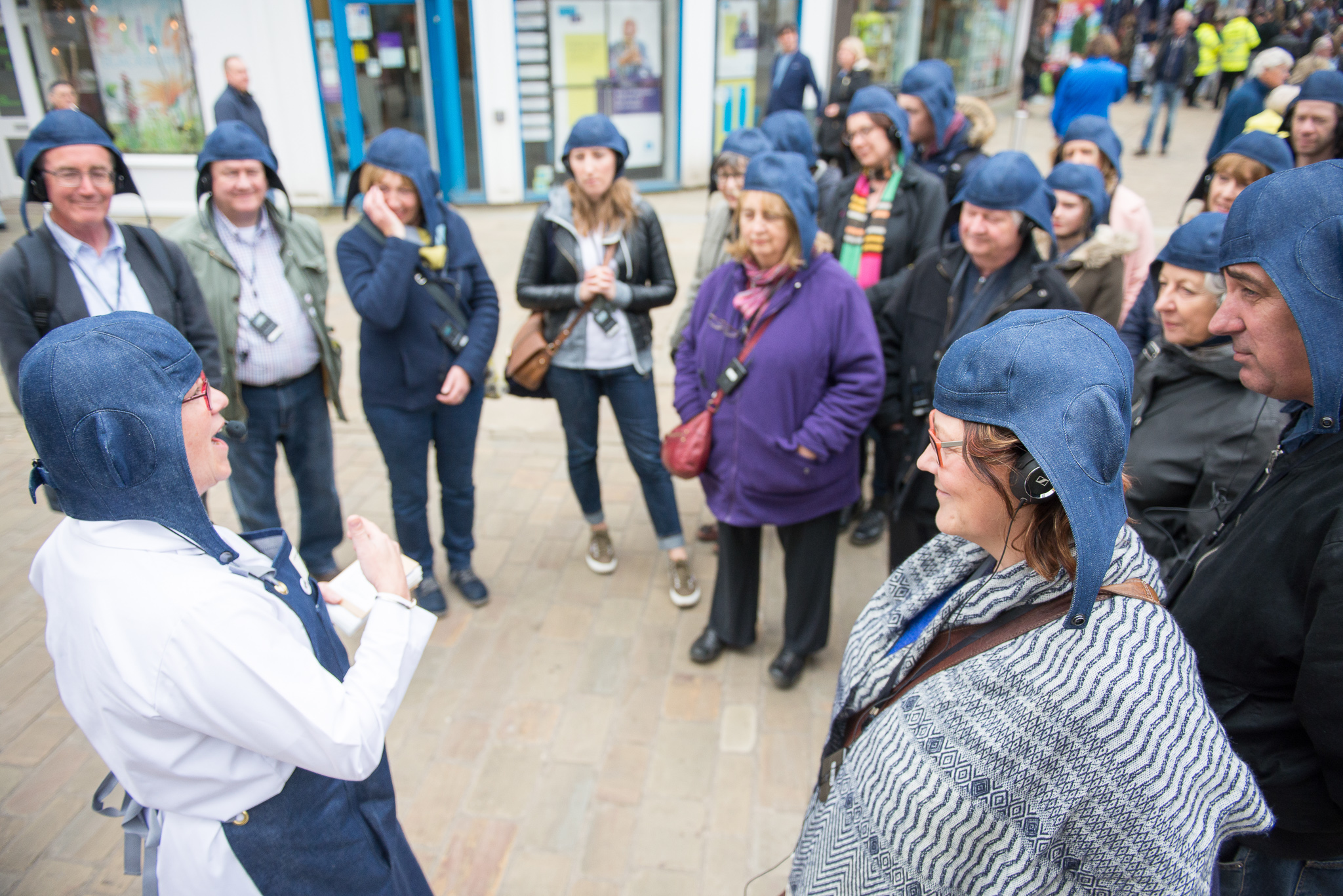
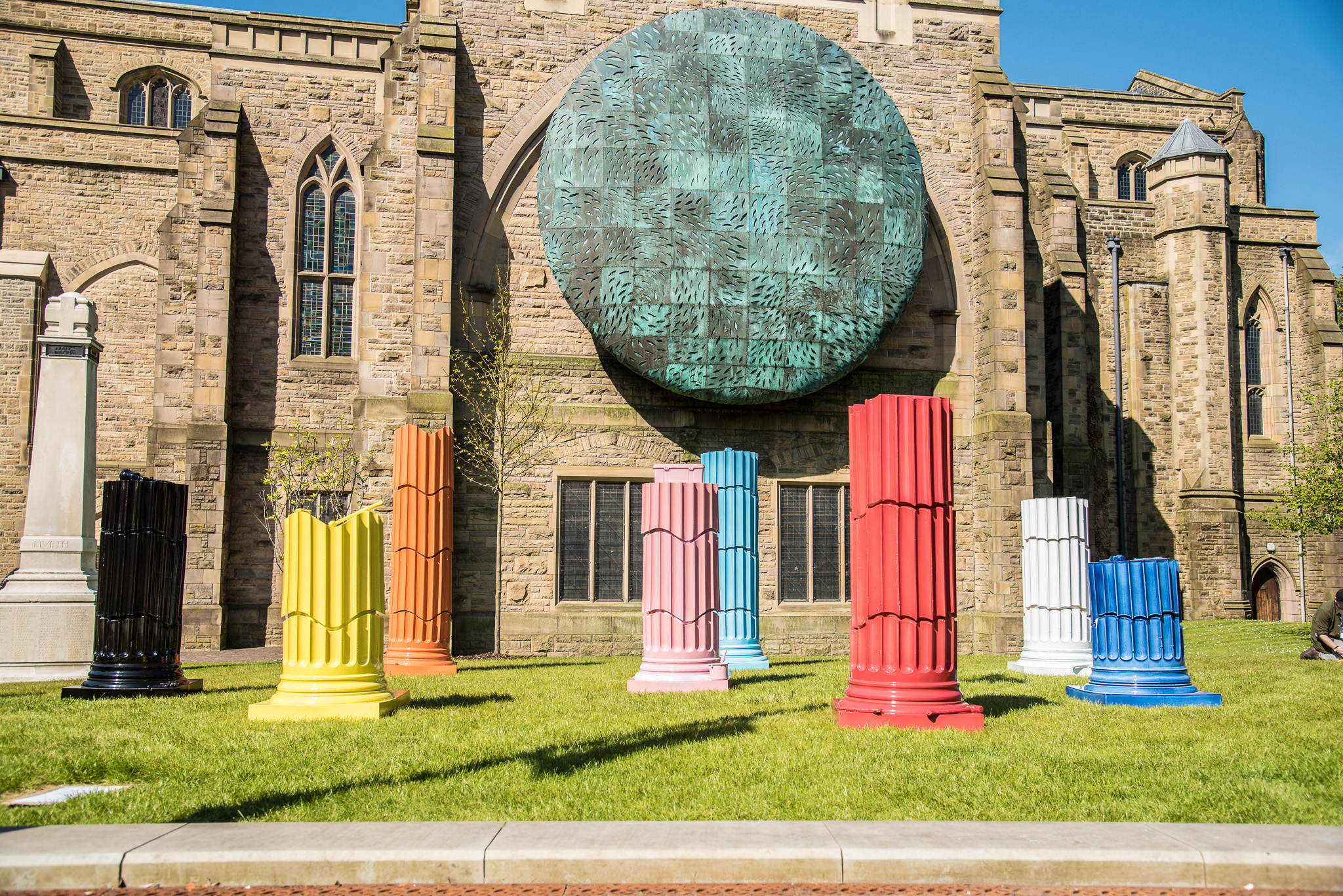
Martyn Ware’s sound and performance work at Tony’s Empress Ballroom “Church of Rare Souls”, a catalyst in the reinterpretation of the space for contemporary cultural programming; Jacqueline Donachie’s IMPERIAL which led audiences along a towpath, soundtracked by House music playing from a canal barge; and Margo Selby’s “Breathing Colour”, a sculptural celebration of Standfast & Barracks’ centenary year that featured a colour palette selected by the workforce to create a 160-metre suspended textile work.

For the commissioned artists, the programme offers a unique opportunity to take risks and be ambitious in the development of new work. Within this space, the workforce is the creator alongside the artist, challenging perceptions of who makes art, and who it is experienced by. Putting artists in residence with manufacturers can be disruptive but the outcomes for artist, industry and audience are remarkable.

Collaborate with us

If you’re interested in collaborating with us through Art in Manufacturing, head to our ‘Work with us’ page.

Here you can find out more about how we make connections with artists and manufacturers, and how to get in touch.

It’s a very interesting juxtaposition, to pair artists with manufacturing businesses, both are creative, but they are very different so it will be fascinating to see the result of the artists’ work.

Camilla Hadcock, Owner + Director, Roach Bridge Tissues

An artist’s practice is often to test, and to either intentionally or unintentionally be disruptive within their own practice or within the space they occupy.

Elena Jackson, Art in Manufacturing Curator

Photography by Ben J Deakin, Danny Allison, Fiona Finchett, Gu Photography, Hannes, Jack Bolton, Jules Lister, Lee Smillie, Simon Bray, Richard Tymon and Robin Zahler.